What Is a Cleaning Drone and How Does It Work?

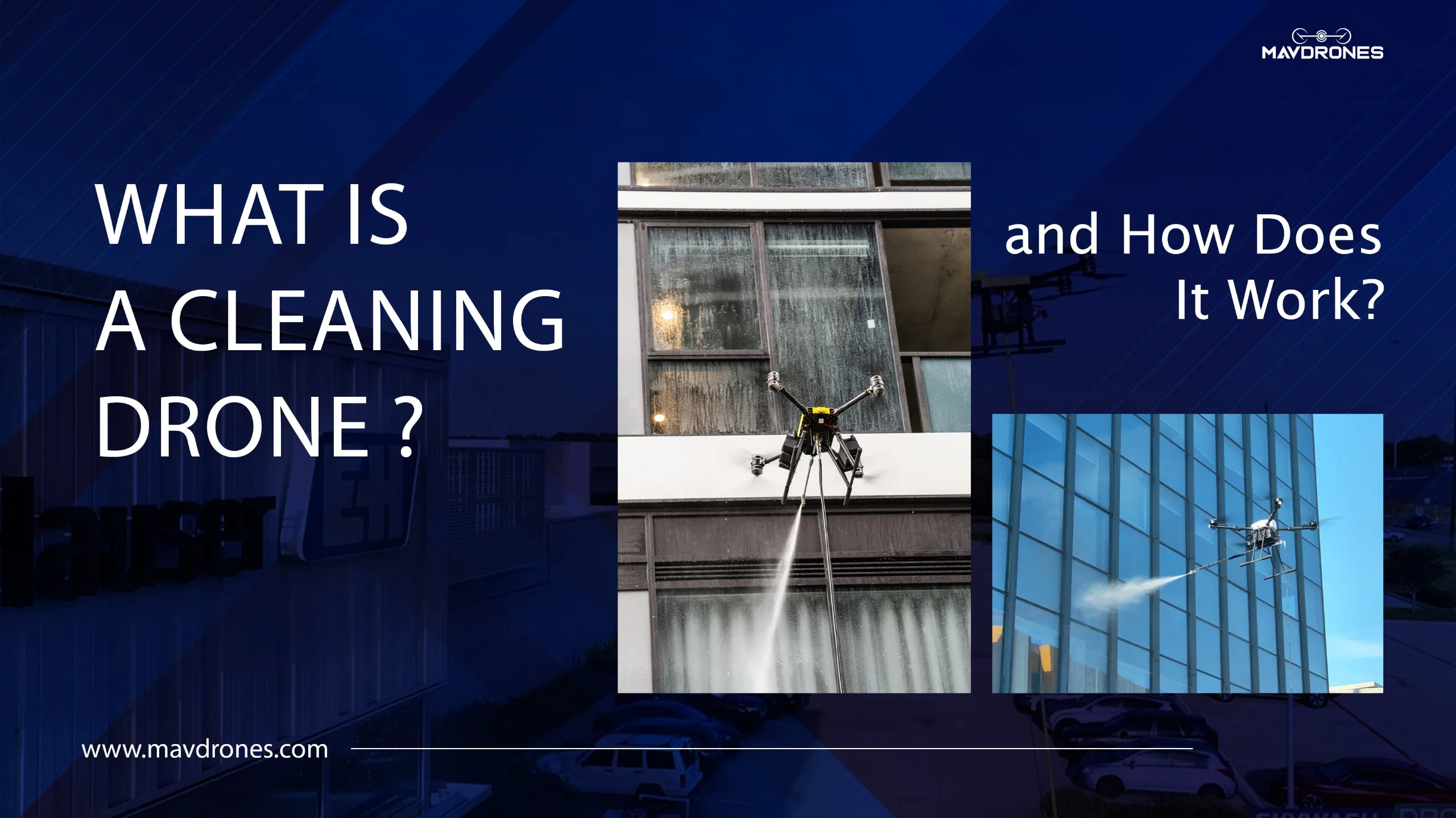
Drones have come a long way since they were just used for taking pictures and videos from the air. One of the most practical and fast-growing applications today is the cleaning drone. Cleaning drones are changing the way maintenance work is done by making it safer, faster, and less expensive. They can wash the glass facades of high-rise buildings, clean solar panels, and clean industrial buildings.
We will talk about what a cleaning drone is, how it works, and why it is changing the game in many fields in this blog.
What Is a Cleaning Drone?
A cleaning drone is a special type of unmanned aerial vehicle (UAV) that can clean hard-to-reach places without using scaffolding, ropes, or climbing by hand. These drones have cleaning tools like water spray systems, rotating brushes, nozzles, or detergent dispensers that let them get rid of dirt, dust, bird droppings, pollution stains, and other things that shouldn’t be there.
A cleaning drone is different from a regular drone because it is designed to carry loads, stay stable while hovering near surfaces, and work for long periods of time, often using tethered power and water supply systems.
Why Cleaning Drones Are in High Demand?
There are a few important reasons why the need for cleaning drones is growing quickly:
- Cleaning high-rise buildings and factories can be dangerous for workers.
- More upkeep is needed for solar panels and glass buildings
- Scaffolding, cranes, and manual labor all cost a lot.
- Cleaning cycles that are faster with little to no disruption
Many facility managers and infrastructure owners are switching to drone-based cleaning solutions because they lower the risk to people and make the job faster.
How Does a Cleaning Drone Work?
A cleaning drone works by combining drone flight technology with high-tech cleaning systems. Let’s go over it step by step.
1. Stable Flight and Positioning
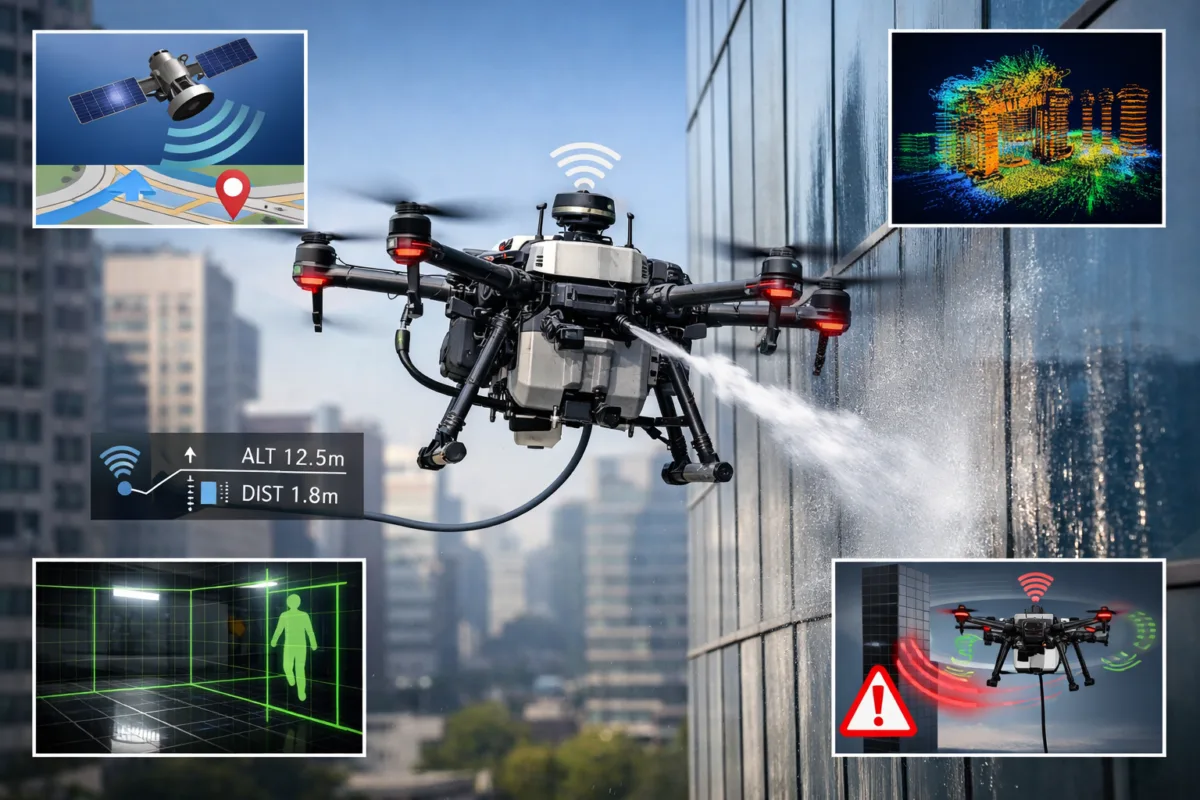
The motors, propellers, and flight controllers on a cleaning drone are all very strong. These features let the drone stay very stable, even when it’s flying close to walls or other tall structures.
Advanced sensors like:
- GPS
- LiDAR
- Sensors for vision
- Systems for avoiding obstacles
help the cleaning drone stay at a safe distance and keep the same amount of pressure on the surface while cleaning.
2. Tethered or Untethered Power System
A tethered system is used by most professional cleaning drones. This means:
- Power supply from the ground all the time
- No limits on batteries
- Longer time to work
- Ability to lift heavier cleaning tools
The tether often sends electricity, water, and cleaning solution all at once, which makes the cleaning drone great for big jobs.
3. Water and Cleaning Solution Delivery
The cleaning mechanism is the most important part of a cleaning drone. It may include the following, depending on the use:
- Water jets with a lot of pressure
- Systems for soft washing
- Brush attachments that can move or stay still
- Nozzles that can be changed
For instance, when used as a drone to clean solar panels, it usually uses low-pressure demineralized water to get the job done quickly and without damaging the panels.
4. Surface Cleaning Process
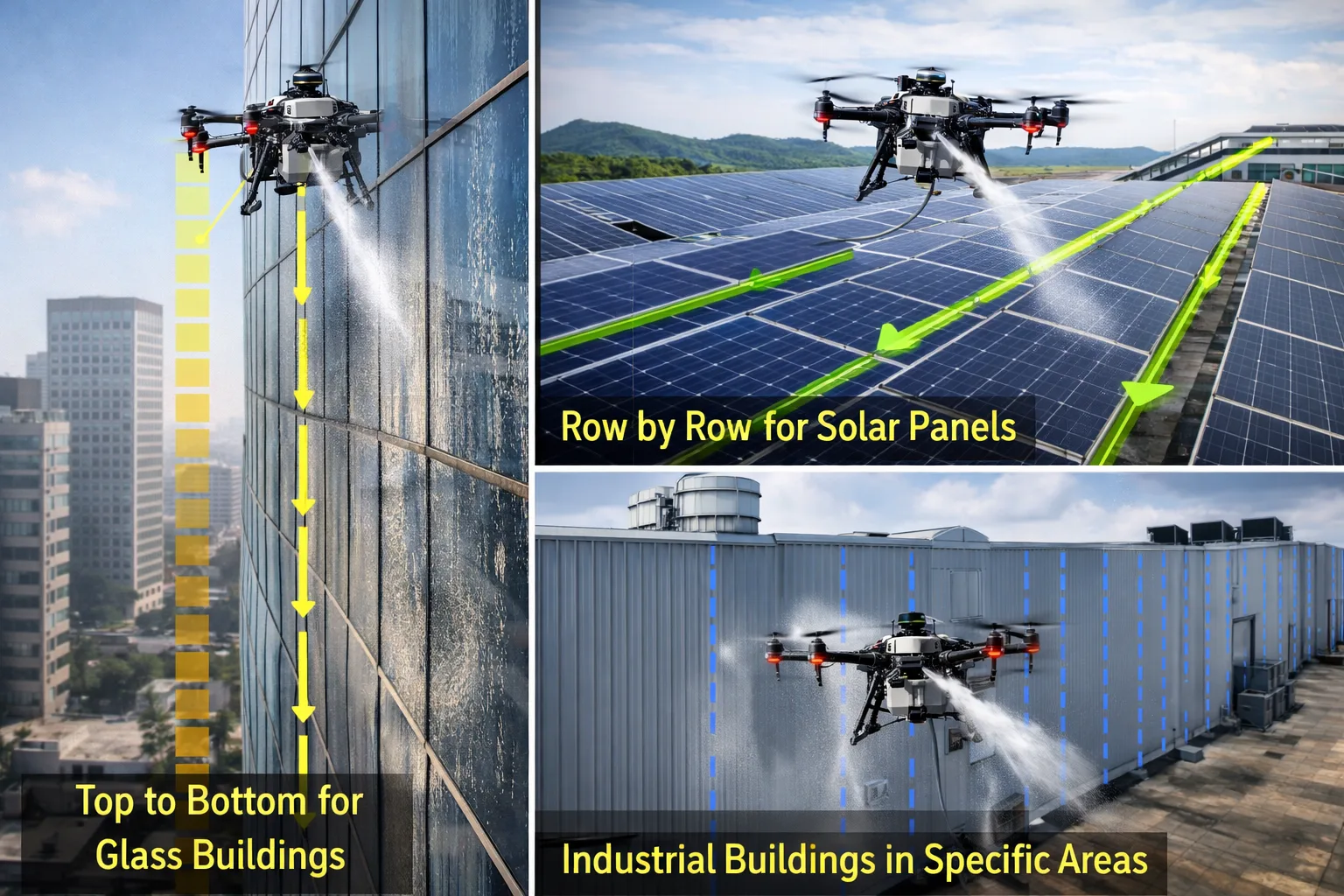
The cleaning drone follows a set cleaning path once it is in the air, or a trained pilot can control it. The drone moves in a set way:
- For glass buildings, from top to bottom
- Row by row for solar panels
- Areas that are good for industrial buildings
The cleaning system only turns on when it’s needed, which saves water and cleaning solution while still getting the job done.
5. Real-Time Monitoring and Control
Operators use a remote control or ground control station to control the cleaning drone from the ground. Live video feeds let pilots:
- Check the quality of the cleaning
- Change the pressure of the spray
- Stay a safe distance from surfaces
- React right away to changes in the environment
This real-time control makes sure that the results are always accurate and consistent.
Types of Cleaning Drones
Different types of businesses need different cleaning products. The most common types of cleaning drones are:
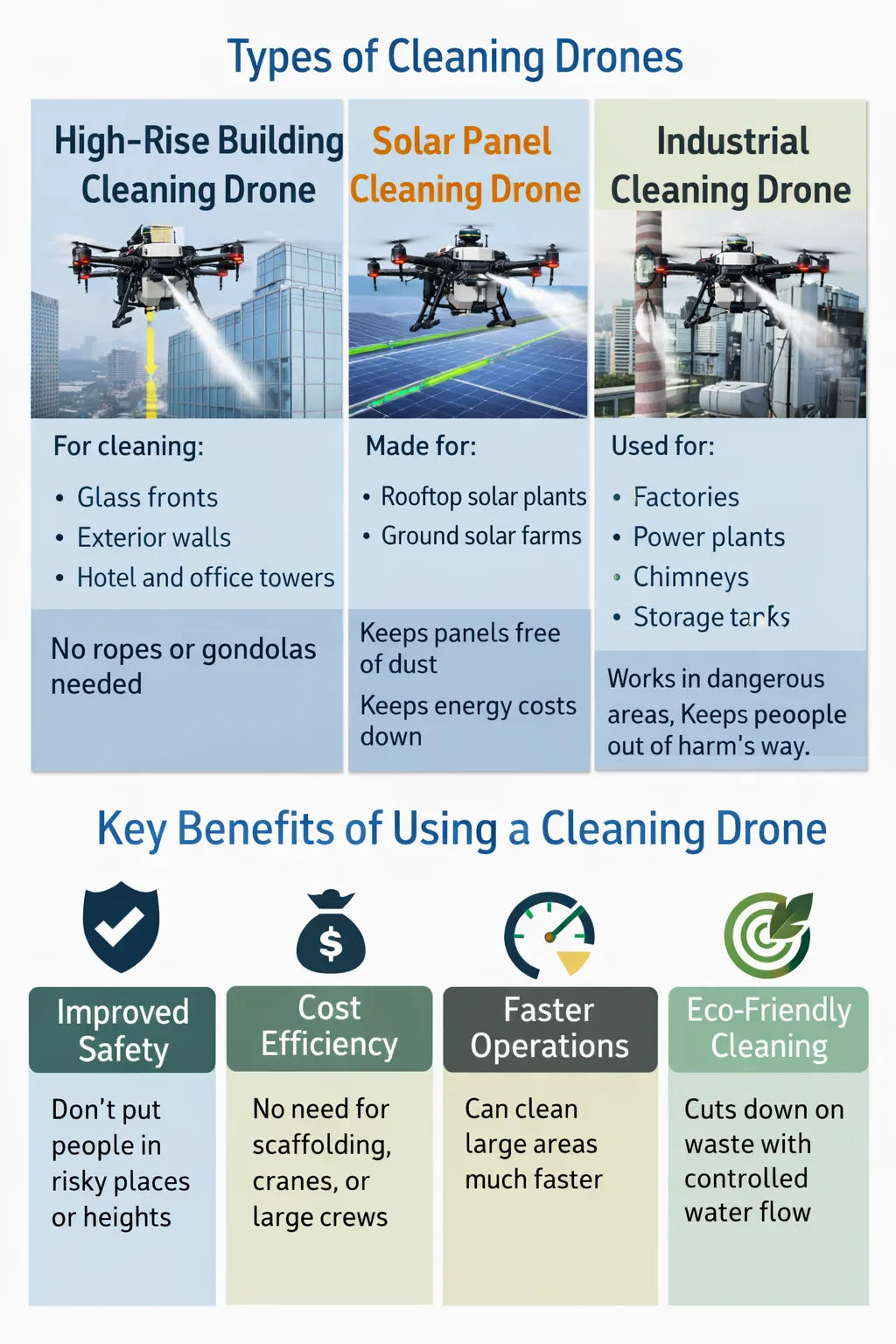
1. High-Rise Building Cleaning Drone
For cleaning:
- Glass fronts
- Walls on the outside
- Towers for hotels and offices
You don’t need ropes or gondolas anymore with these drones.
2. Solar Panel Cleaning Drone
Made just for:
- Solar plants on rooftops
- Solar farms on the ground
A cleaning drone helps keep panels free of dust, which helps keep energy costs down.
3. Industrial Cleaning Drone
Used for:
- Factories
- Plants that make power
- Chimneys
- Tanks for storage
These drones can work in dangerous places where it’s not safe for people to go.
Key Benefits of Using a Cleaning Drone
1. Improved Safety
One of the best things about a cleaning drone is that it doesn’t put people in dangerous places or heights.
2. Cost Efficiency
A cleaning drone cuts down on operational costs by getting rid of the need for scaffolding, cranes, and big cleaning crews.
3. Faster Operations
A cleaning drone can clean big areas much faster than doing it by hand.
4. Eco-Friendly Cleaning
Most cleaning drones use eco-friendly cleaning solutions and controlled water flow to cut down on waste.
5. Consistent Results
Automation and precise flight make sure that the whole surface is cleaned evenly.
Challenges and Limitations
There are some drawbacks to using a cleaning drone, even though it has many benefits:
- The cost of the first investment
- Need for trained pilots
- Weather dependence (strong winds, heavy rain)
- In some areas, regulatory approvals are needed.
But as drone technology gets better, these problems are getting easier to deal with.
The Future of Cleaning Drones
The future of the cleaning drone business looks very bright. With improvements in:
- Navigation based on AI
- Paths of flight on their own
- Materials that are light
- Sensors that are smart
Cleaning drones will soon be the norm for cleaning buildings, getting rid of renewable energy, and cleaning up factories.
FAQs
1. What is the price of a cleaning drone?
Payload capacity, cleaning method (water spray, brush-based, or hybrid), flight duration, and degree of automation all affect how much a cleaning drone price is. While advanced models intended for industrial use or high-rise buildings may be more expensive due to specialized safety systems and improved performance, entry-level cleaning drones are usually less expensive.
2. Are building cleaning drones available in India?
Indeed, building cleaning drones in India are becoming more and more common, particularly for cleaning the glass façades of tall buildings. To lower the risks involved with manual cleaning and scaffolding, facility management firms, real estate developers, and industrial maintenance providers use these drones.
3. What is a window cleaning drone and how is it used in India?
A window cleaning drone in India is made especially for cleaning tall building façades and glass windows. While keeping a safe distance from the building’s surface, these drones remove dirt, dust, and stains using rotating brushes or controlled water spray systems.
4. What is the window cleaning drone price in India?
The size of the building, the cleaning technology employed, and safety features like obstacle avoidance and tethered operation all affect the window cleaning drone price in India. Drones intended to operate at higher altitudes or in windy urban settings typically cost more.
5. Who are the leading cleaning drone manufacturers?
Drones for cleaning windows, solar panels, and façades are being developed by a number of cleaning drone manufacturers in India and around the world. It’s crucial to take into account things like training, customization options, after-sales support, and adherence to regional drone laws when selecting a manufacturer. You can also choose Mavdrones, as we are a trusted cleaning drone manufacturer in India.
6. Is a solar panel cleaning drone available in India?
Indeed, rooftop installations and large solar farms make extensive use of solar panel cleaning drones in India. Particularly in dusty and arid areas, these drones help increase energy efficiency by clearing dust and debris without harming the panels.
7. What is the solar panel cleaning drone price?
Solar panel cleaning drone price depends on how wide it can clean, how well it uses water, how long its battery lasts, and how well it can do things on its own. Drones made for utility-scale solar plants usually cost more because they can quickly and consistently cover large areas.
8. Is investing in a cleaning drone worth it?
Buying a cleaning drone is a good long-term investment for many businesses. It cuts down on cleaning time, lowers labour costs, lowers safety risks, and ensures that all buildings and solar installations are cleaned to the same high standard.
Conclusion
A cleaning drone is changing the way we clean and take care of things at heights and in dangerous places. It combines advanced drone technology with effective cleaning systems to provide a safer, faster, and cheaper option to traditional cleaning methods.
As businesses keep putting safety, efficiency, and sustainability first, more and more people are likely to start using cleaning drones. The cleaning drone is clearly changing the future of professional cleaning, whether it’s for skyscrapers, solar panels, or factories.


CEO, Mavdrones
Pradipta V Mukherjee is the visionary CEO of Mavdrones & Drone Pathshala, driving innovation and growth in the drone industry. With a passion for advanced technology, he leads the company's strategic direction, ensuring Mavdrones stays at the forefront of drone solutions. Under his leadership, Mavdrones has achieved remarkable success, including winning the 'Best Innovation and Technology in Drone Industry' award from ASSOCHAM. Pradipta is committed to revolutionizing the industry through advanced UAV technology, fostering a culture of excellence and forward-thinking within the organization.