Indian Army Strengthens Drone Warfare with New Initiatives

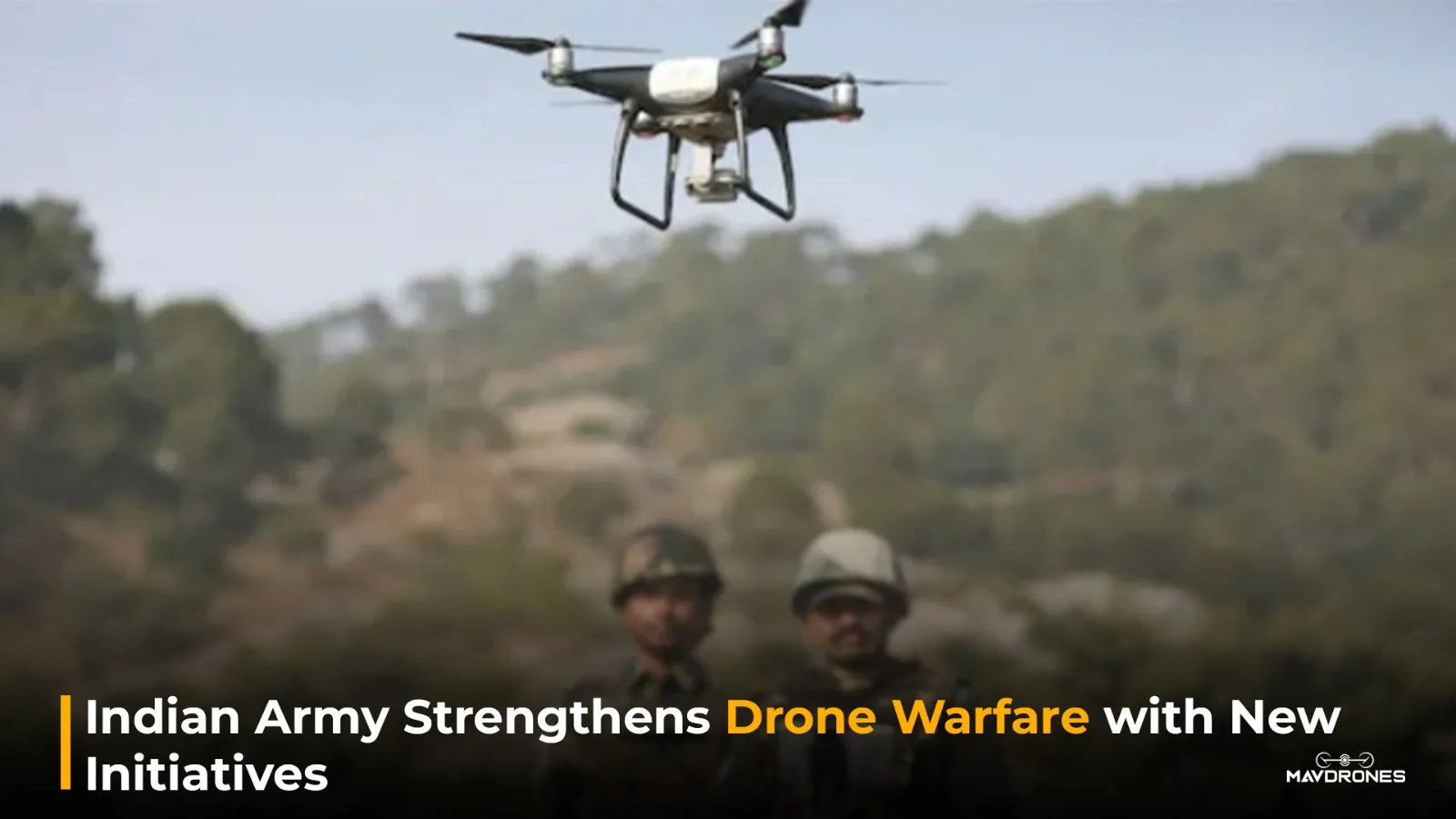
The Indian Army is significantly enhancing its capabilities in drone warfare by establishing specialized units to integrate drone technology into its operational strategy. Lieutenant General Manoj Kumar Katiyar, General Officer Commanding-in-Chief of the Western Command, announced on Thursday that dedicated ‘Ashin‘ drone platoons are being raised within infantry, artillery, and armoured regiments.
The newly formed ‘Ashin‘ platoons will focus on specialized drone operations, ensuring that every regiment, regardless of its focus area, has access to expertise in unmanned aerial systems (UAS). These platoons will form small sub-units within infantry battalions, with plans for similar units across all regiments. This restructuring is a response to the growing significance of drones in modern warfare, which have become vital tools for surveillance, reconnaissance, and precision strikes.
In addition, ‘Bhairav‘ units are being established with the primary task of conducting deep operations in hostile territories. These units will be responsible for carrying out missions that require penetration into enemy zones, ensuring that the Army is prepared for future conflicts that may demand rapid, targeted action.
The restructuring of the Army’s formations and the creation of these specialized drone units reflect the increasing role of drones in contemporary military operations. It was emphasized that every sub-unit, from the smallest to the largest, will now incorporate drone usage in its operations.
Highlighting the importance of operational readiness, Lt Gen Katiyar pointed out that future military engagements may require fast responses to safeguard personnel and perform precision strikes effectively. The specialized drone platoons are intended to enhance both strike and special operations capabilities, preparing the Army for the demands of future warfare. Smaller, agile teams capable of operating independently and deep within enemy territories will play a key role in this evolving strategy.
Moreover, Lt Gen Katiyar shared that many of the drones showcased at the recent event were fabricated in the Army’s own workshops within the Western Command. By developing these drones in-house, the Army can better meet its operational requirements and ensure that the technology meets the specific needs of its personnel. The manufacturing of drones on a large scale is a step toward enhancing self-reliance in military technology.
Regarding Operation Sindoor, the Army Commander confirmed that Indian forces had targeted terrorist bases and retaliated by striking military and air bases. The situation led to a ceasefire, which was requested by the opposing side, both directly and through intermediary countries.
Lt Gen Katiyar refrained from commenting on subsequent media reports and reiterated that the sequence of events surrounding the ceasefire had already been explained. He remained focused on the Army’s future operational plans, asserting that future actions would be more decisive and effective than past responses. While the specifics of these operations are part of a detailed plan, he assured that the Indian Army is fully prepared for any challenges ahead.