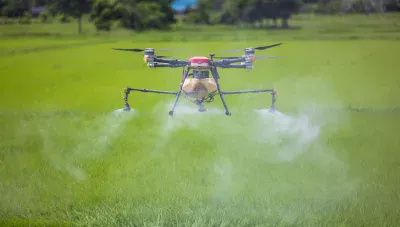
Agriculture Drones
Buy agricultural spraying drones at best price and transform modern farming by making crop protection faster, smarter, and more efficient. These drones spray pesticides, fertilizers, and nutrients with precision, ensuring uniform coverage while reducing chemical waste. Equipped with GPS and smart sensors, they can cover large fields quickly, saving time and labor costs. They also reduce farmers’ exposure to harmful chemicals and improve crop health through targeted application. Ideal for precision agriculture, these drones boost productivity and support sustainable practices.


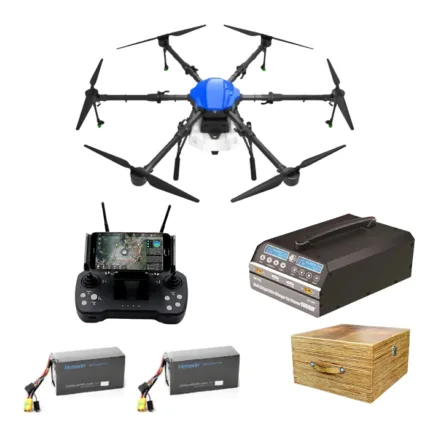

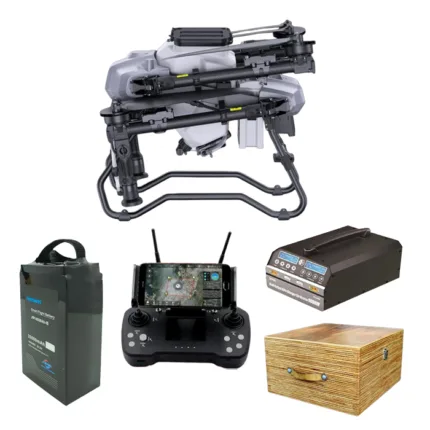

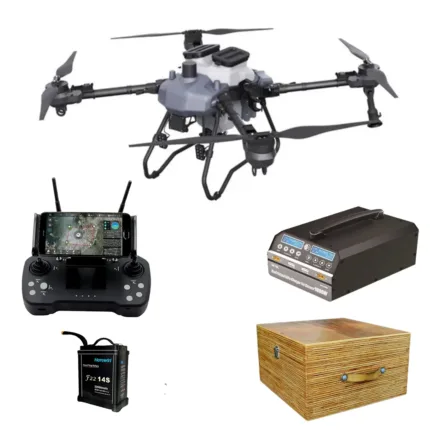

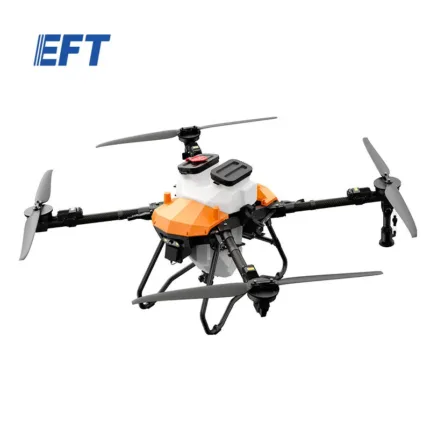
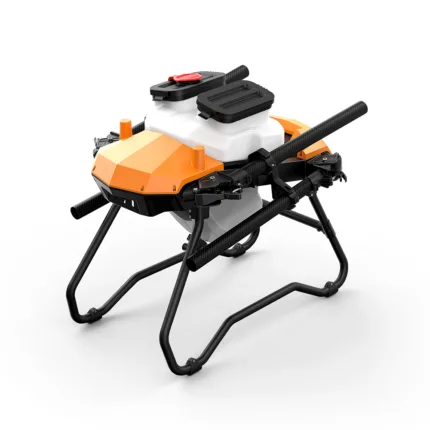
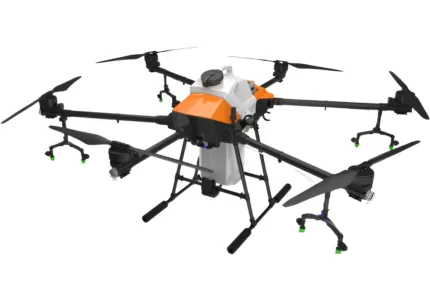

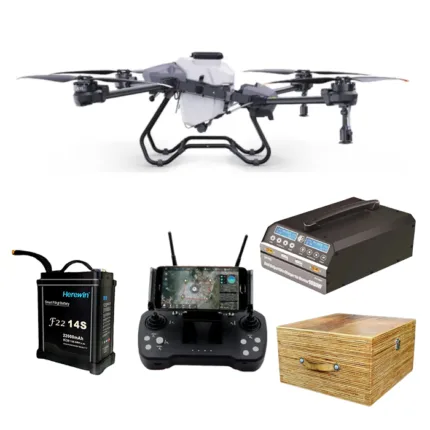
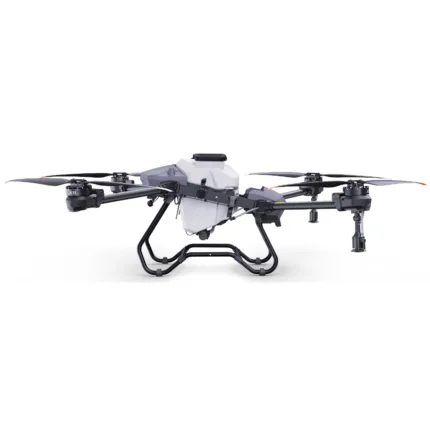
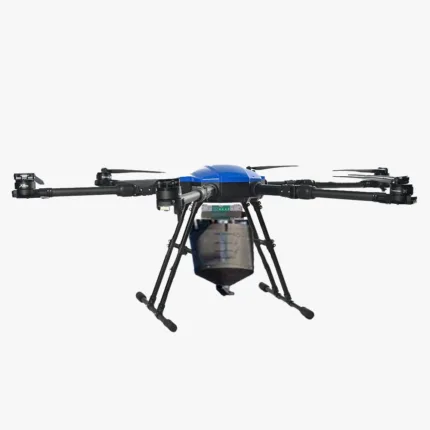


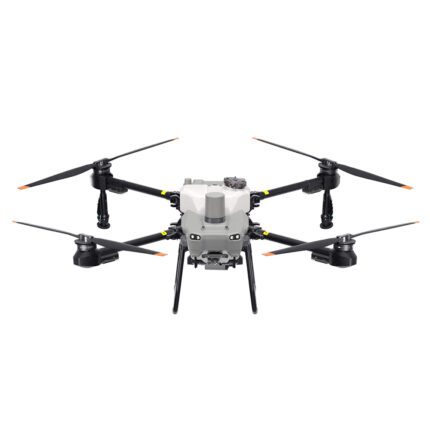


Agriculture Drones: Revolutionizing Modern Farming
Farmers are constantly under pressure to boost yields, cut expenses, and improve resource management in the fast-paced agricultural environment of today. Even though they worked well in the past, traditional farming methods are no longer able to meet the rising demand for sustainably produced food. Drones used in agriculture are revolutionizing this field. These drones are changing how crops are planted, tracked, and harvested by fusing aerial technology with insights gleaned from data. Investing in agricultural drones is not merely a choice for contemporary farmers and agribusinesses; it is essential to maintaining their competitiveness.
What Are Agriculture Drones?
Specialized unmanned aerial vehicles called agriculture drones are made to help with farming operations. Agriculture drones are outfitted with sophisticated cameras, sensors, and spraying systems, in contrast to recreational drones, which are designed for photography or leisure. They can help plant seeds, apply pesticides or fertilizers, monitor crop health, and take aerial photos. These drones have emerged as a vital instrument for precision farming, enabling farmers to base their choices on precise, up-to-date information.
The Role of Agriculture Drones in Precision Farming
Precision farming is one of the biggest benefits of using agricultural drones. Precision agriculture adopts a more focused strategy, whereas traditional farming frequently depends on consistent treatment across fields. Farmers can use drones to keep an eye on particular areas of their property, spot trouble spots, and treat only those areas that need it. This degree of precision guarantees healthier crop growth, lowers expenses, and minimizes waste. Drones used in agriculture also assist in monitoring plant growth over time, which facilitates harvest schedule planning and yield prediction.
Enhancing Crop Monitoring and Health Analysis
Crop monitoring has always required a lot of work. Manual inspections and field walking can be laborious and prone to human error. By taking high-resolution photos and using thermal and multispectral sensors to analyze them, agricultural drones streamline this procedure. Before they become apparent to the human eye, these pictures can identify early indicators of illness, pest infestations, or water stress. Farmers can prevent extensive damage to their crops and take corrective action by recognizing these problems early.
Improving Irrigation and Resource Management
One of the most important resources in agriculture is water, and its improper use can have negative effects on the environment in addition to financial loss. By detecting overwatered or underwatered areas of a field, agricultural drones are crucial to irrigation management. Farmers can lower operating costs, conserve water, and optimize irrigation systems with the help of this data. Drones guarantee that crops receive the appropriate amount of water at the appropriate time by offering comprehensive insights into soil moisture levels.
Transforming Crop Spraying and Fertilization
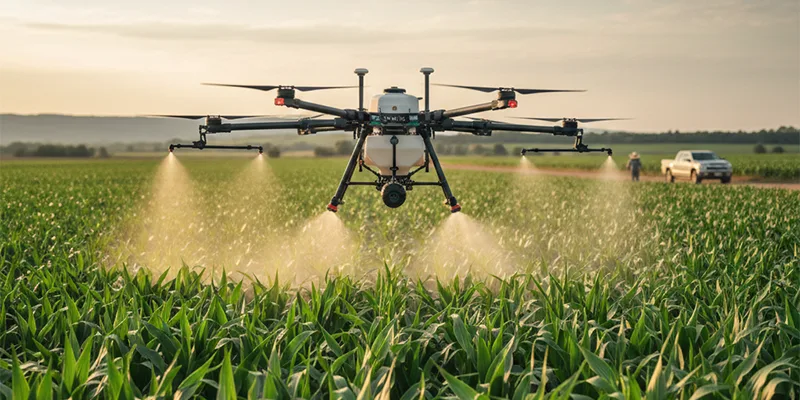
Historically, fertilizer and pesticides have been sprayed by hand or with the aid of large machinery. The drawbacks of both approaches include unequal distribution, worker exposure hazards, and expensive fuel. Drones for agriculture provide a more effective and safe substitute. These drones can evenly apply pesticides and fertilizers across fields, even in hard-to-reach places, thanks to their spraying mechanisms. This minimizes the impact on the environment and minimizes the use of chemicals while guaranteeing the best possible crop protection.
Supporting Large-Scale Farm Management
Agriculture drones are revolutionary for big farms that oversee hundreds or thousands of acres. Farm managers can rapidly collect precise data on crop health, soil conditions, and resource usage because they can quickly cover large areas. Large farms can increase productivity, cut expenses, and optimize operations thanks to this scalability. The same technology helps small and medium-sized farms as well, allowing them to effectively compete in the market.
Cost Savings and Increased Profitability
The ability of agricultural drones to save money is one of the main factors contributing to their growing popularity. Drones have a direct financial impact by decreasing the need for manual labor, increasing spraying efficiency, and minimizing resource waste. Higher yields and cheaper input costs frequently result in a notable increase in profitability for farmers who use drone technology. What used to take days of manual labor can now be finished in a matter of hours thanks to drone-based solutions.
Agriculture Drones and Sustainable Farming
In contemporary agriculture, sustainability is now a necessity rather than a trendy term. Eco-friendly methods that preserve the environment and guarantee food security are being demanded by organizations, governments, and consumers alike. By minimizing chemical overuse, conserving water, and reducing carbon footprints, agricultural drones help to promote sustainable farming. They help farmers achieve the ideal balance between responsibility and profitability, guaranteeing that healthier farming methods will benefit future generations.
Overcoming Challenges with Agriculture Drones
Drones for agriculture have drawbacks, just like any other technology. Adoption can occasionally be slowed down by regulatory approvals, upfront investment costs, and the requirement for appropriate training. But these obstacles are greatly outweighed by the long-term advantages. Numerous nations' governments have already acknowledged the value of drone technology in agriculture and are enacting laws to promote its application. Farmers can swiftly overcome these obstacles and incorporate drones into their regular operations with the correct assistance and direction.
The Future of Agriculture Drones
Drones in agriculture appear to have a very bright future. It is anticipated that developments in automation, machine learning, and artificial intelligence will make drones even more intelligent and self-sufficient. Drones used in agriculture will soon be able to monitor crops, forecast weather patterns, suggest treatments, and carry out tasks with little assistance from humans. A completely integrated farming ecosystem will be produced by combining drones with other technologies like satellite imaging, big data analytics, and Internet of Things sensors.
Why Farmers Should Invest in Agriculture Drones Now?
Delaying the adoption of agriculture drones could cause farmers and agribusinesses to lag behind their rivals. The agricultural sector is changing at a rate never seen before, and the people who adopt new technologies first stand to gain the most. Purchasing agricultural drones now guarantees that you are setting the standard for innovation rather than merely following trends. With lower expenses, more productivity, healthier crops, and sustainable farming methods, the return on investment is obvious.
Conclusion
Drones for agriculture are more than just flying machines; they are effective instruments that are changing the farming industry. They enable farmers to increase productivity while lowering risks by providing scalable solutions, precision treatments, and real-time insights. Agriculture drones have shown themselves to be the farming of the future, from ensuring sustainable practices to improving crop monitoring and irrigation. Drone adoption is now for companies and individuals who want to stay ahead in agriculture. Investing in this technology is important for long-term growth, sustainability, and success in a cutthroat industry, not just for modernization.