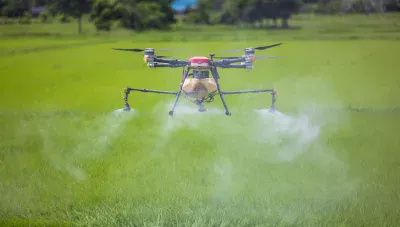
Delivery Drones
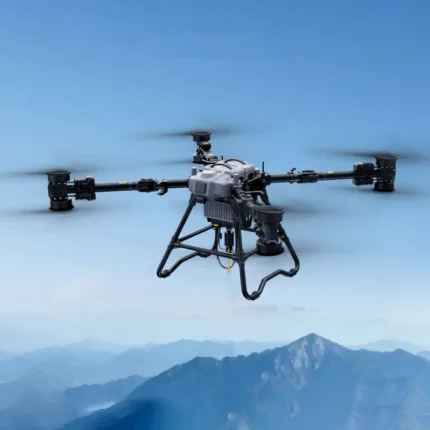
100 Kg Delivery Drone
In stock
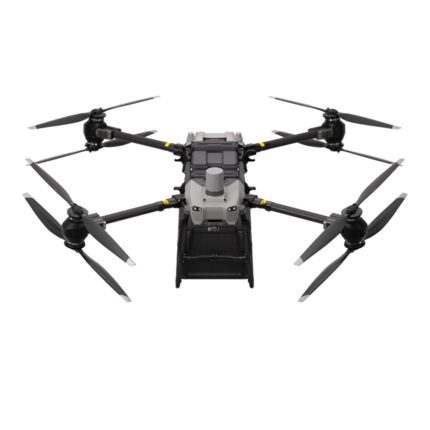
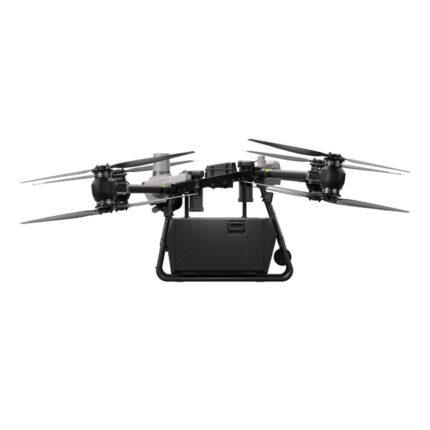
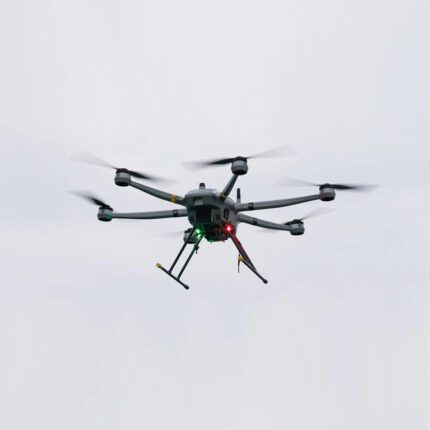
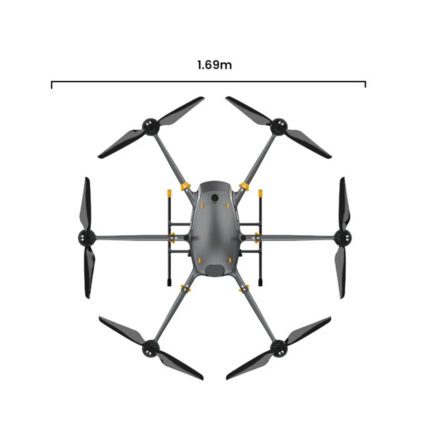
Delivery Drones: Revolutionizing Logistics and Transportation
Delivery drones are one of the most exciting technological innovations that have contributed to the growth of modern logistics. These aerial systems are changing how companies and consumers view shipping, and they are no longer just a thing of science fiction. Delivery drones provide speed, efficiency, and cost savings that are difficult to match for traditional methods, whether they are used to deliver food, medications, or eCommerce packages.
What Are Delivery Drones?
Unmanned aerial vehicles (UAVs) called delivery drones are made to move cargo from one place to another. These systems are designed with specific compartments, payload capacities, and navigation technologies, in contrast to traditional drones used for photography or leisure. They can work remotely under human supervision or independently with GPS and AI-based systems.
Delivery drones' primary selling point is their speedy, short-to-medium distance travel while avoiding traffic, which makes them a perfect last-mile logistics option.
How Delivery Drones Work?
A variety of cutting-edge technologies are used by delivery drones to guarantee precise and safe operations. These drones can plan the best routes and prevent collisions because they are outfitted with GPS, obstacle detection sensors, and occasionally even artificial intelligence.
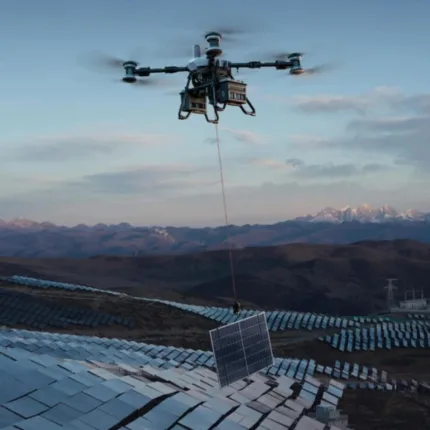
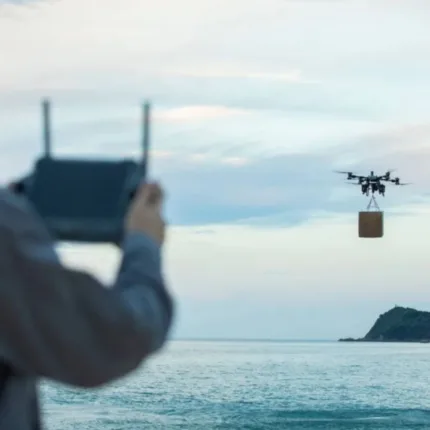
The drone takes off vertically and travels its pre-programmed path after a package has been loaded into its compartment. When the drone reaches its destination, it either uses a tethering system to gently lower the package or lands to release it. Delivery times are significantly shortened and human involvement is reduced thanks to this optimized process.
Applications of Delivery Drones
Delivery drones have a wide range of potential applications in various industries, providing adaptable answers to typical logistical problems.
eCommerce and Retail
Drone delivery services are being quickly adopted by online retailers in order to offer faster shipping options. Convenience is important to consumers today, and drones can deliver orders in a matter of hours as opposed to days.
Food and Grocery Delivery
In order to guarantee timely and fresh deliveries, restaurants and grocery chains are using delivery drones more and more. In addition to cutting down on wait times, this also does away with the necessity of conventional delivery trucks in crowded places.
Medical and Emergency Services
The healthcare industry is one of the most significant applications. In remote or disaster-affected areas where traditional transportation may not be practical, drones can deliver medications, vaccines, and essential medical supplies.
Industrial and Rural Supply
Drone deliveries of tools, equipment, and spare parts are advantageous for remote industries like mining and agriculture. In a similar vein, rural communities have easier access to necessities.
Benefits of Delivery Drones
The many advantages that delivery drones have over conventional delivery techniques are what make them so popular. Speed is the most important factor. Delivery times can be significantly shortened by using drones to avoid traffic and travel straight to their destinations. Cost-effectiveness is yet another important benefit. Businesses can reduce their operating costs by reducing the need for labor, fuel, and vehicles.
Drone deliveries are also good for the environment. Compared to trucks or motorcycles, they emit fewer carbon emissions because they are powered by electricity.
Finally, accessibility is a significant advantage. Areas that are otherwise inaccessible, like islands, mountainous regions, or areas isolated by natural disasters, can be reached by drones.
Challenges Facing Delivery Drones
Despite the substantial advantages, there are some barriers to the widespread use of delivery drones. Obtaining regulatory approval is one of the main obstacles. Governments are still creating frameworks to guarantee safe drone operations in both urban and rural areas, and airspace is strictly regulated. Another problem is battery limitations. Current drone batteries frequently have limited flight durations, which limits the drones' capacity to carry weight and distance. Concerns about safety also exist, such as the possibility of mid-air collisions, technical issues, or interference with manned aircraft. Last but not least, public acceptance matters. Some communities are concerned about the dependability of these systems, privacy issues, and noise pollution.
The Future of Delivery Drones
Delivery drones appear to have a bright future despite these obstacles. Businesses all over the world are making significant investments in R&D to improve drone capabilities. More useful and extensive applications are being made possible by longer-lasting batteries, AI-powered navigation, and enhanced payload systems.
Governments are adjusting as well. To enable safe and well-coordinated drone flights in urban skies, regulatory agencies are developing specialized air corridors and drone traffic management systems.
Delivery drones are predicted to become a commonplace aspect of logistics within the next ten years. Drones may frequently fly over neighborhoods to deliver groceries, medications, or online orders to consumers.
Why Businesses Are Embracing Delivery Drones?
Companies that use drone delivery get a competitive advantage by reaching underserved markets, cutting costs, and providing faster services. Drone fleets are already being tested by retailers, logistics companies, and healthcare institutions in an effort to expand their operations.
The branding advantage is substantial in addition to customer satisfaction. Businesses that are at the forefront of delivery drone solutions are frequently regarded as creative, environmentally conscious, and progressive, which makes them stand out in crowded markets.
Conclusion
The logistics sector is undergoing significant change as a result of the proliferation of delivery drones. Drones have the potential to completely transform the way that goods are delivered from companies to customers by providing quick, affordable, and environmentally friendly options. The rate of technological development indicates that drone delivery will soon become a commonplace reality, despite obstacles like laws and battery limitations.
Businesses and consumers alike can anticipate benefits from this revolutionary change in our perspective on accessibility and transportation as the market expands.