Payload Carrying Drones
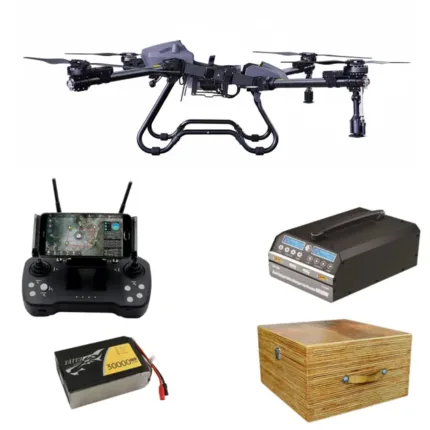
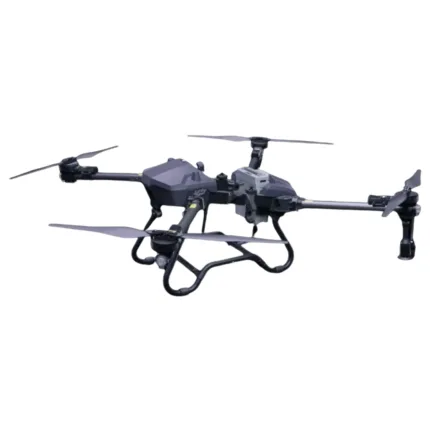
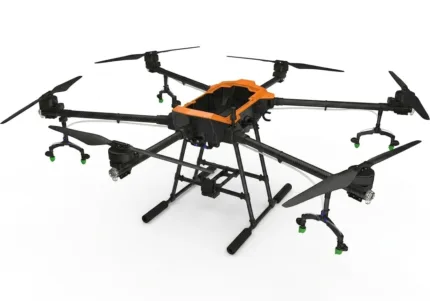
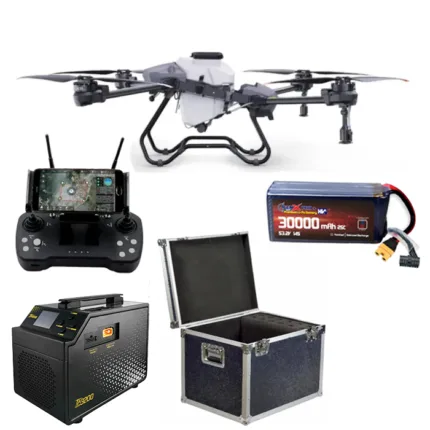

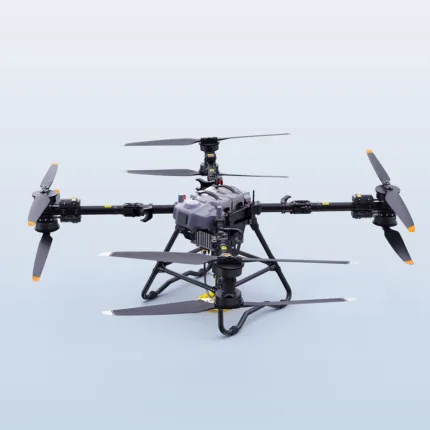
A payload carrying drone is a sort of specialized unmanned aerial vehicle (UAV) that can precisely and steadily lift, transport, and deploy different kinds of payloads. These drones are a vital option for a variety of industries, including logistics, agriculture, defense, disaster management, advertising, and industrial inspections, because they are designed to carry more weight without sacrificing flight performance.
To ensure smooth operation even under huge loads, modern payload-carrying drones are constructed with high-torque motors, stronger frames, advanced flight controllers, and intelligent power management systems. Delivery boxes, medical supplies, agricultural sprayers, LED advertising panels, cameras, sensors, loudspeakers, and industrial equipment are just a few of the payloads these drones can transport. Payload capacity may range from a few grams to several kilograms, depending on the design and application.
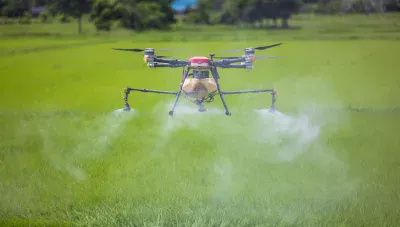
Reaching remote, dangerous, or time-consuming locations is one of the main advantages of a payload drone. In e-commerce and logistics, these drones enable faster last-mile delivery, reducing costs and delivery time. In agriculture, they support precision farming by carrying spraying systems that optimize fertilizer and pesticide usage. Emergency services rely on payload drones to deliver medical supplies, communication equipment, and relief materials.
In terms of technology, payload-carrying drones often feature autonomous flight modes, obstacle avoidance sensors, real-time telemetry, and GPS-assisted navigation. These features allow operators to maintain stability, monitor payload weight, and plan accurate flight paths. Many drones also support modular payload systems, improving versatility and return on investment.
Aerial advertising and public communication are growing applications for payload drones. Businesses deploy drones equipped with LED screens or banner payloads to attract attention during events, campaigns, and promotions. Government and defense agencies also use these drones for surveillance, reconnaissance, and tactical operations.
Important considerations when selecting a payload-carrying drone include payload capacity, flight endurance, range, stability, weather resistance, and regulatory compliance. In India and many other countries, drones must comply with aviation regulations and be operated by certified or trained pilots.
In conclusion, a payload-carrying drone represents the future of aerial operations, offering unmatched efficiency, flexibility, and innovation. As drone technology continues to advance, payload drones are becoming smarter, safer, and more capable, transforming how industries transport, monitor, and deliver from the air.