BSF Deploys First-Ever Drone Squadron to Counter Pakistan UAV Threat


For strategic deployment along the India-Pakistan border, the Border Security Force (BSF) is forming a dedicated drone squadron. Crucial lessons learned from Operation Sindoor have spurred this effort, particularly in light of the growing threats posed by hostile unmanned aerial vehicles (UAVs).
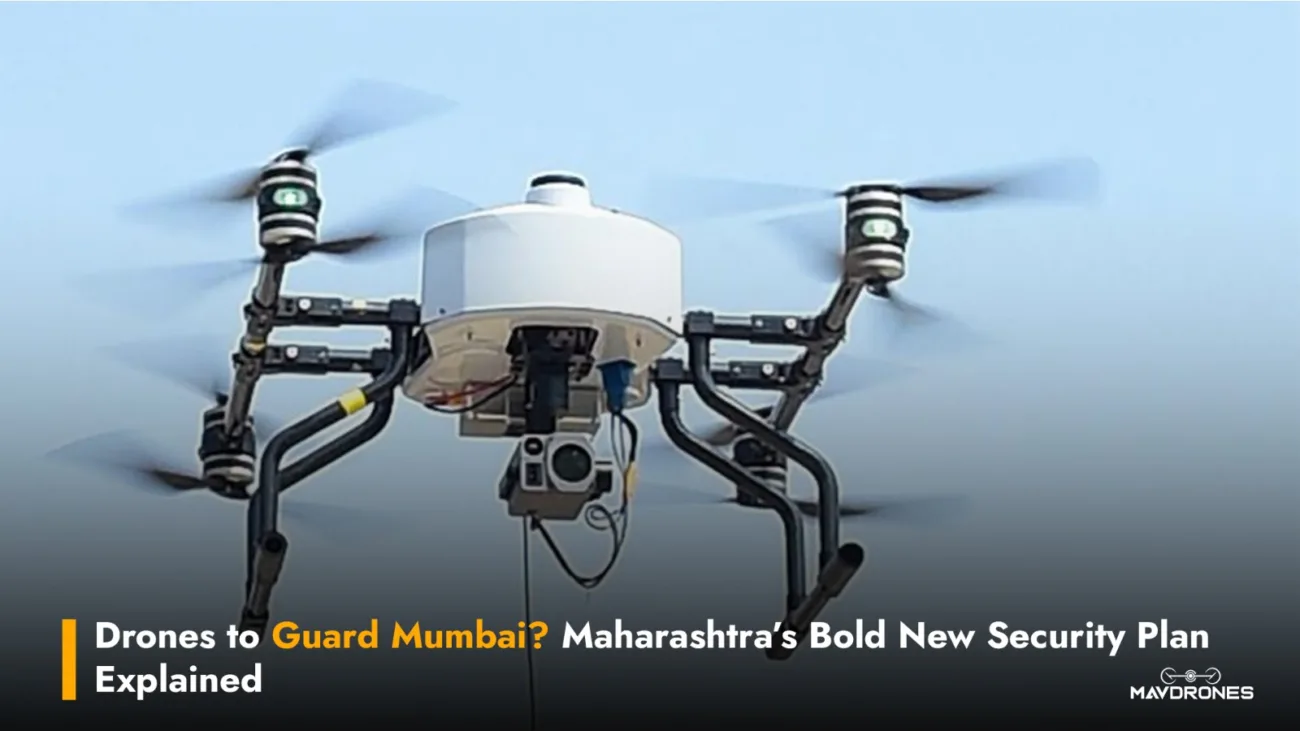
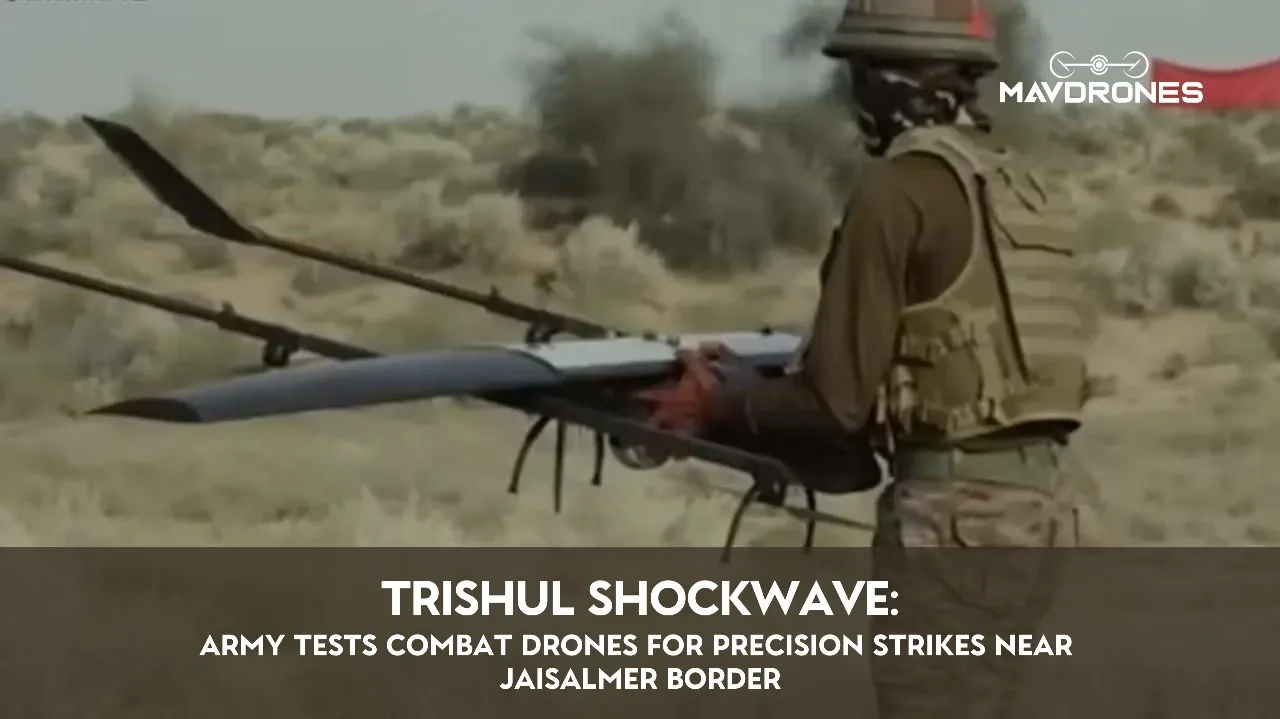
The future squadron, which will include a variety of combat, surveillance, and reconnaissance drones, is being stationed across specific Border Outposts (BoPs). The BSF’s western command headquarters in Chandigarh will house a central control room from which these UAVs will be piloted by specially trained personnel.
Following a thorough threat assessment following Operation Sindoor, which was launched on May 7 by Indian forces to target terrorist and defense infrastructures in Pakistan and Pakistan-occupied Kashmir (PoK), this specialized unit was established. This operation was conducted as payback for the Pahalgam attack on April 22, which claimed the lives of 26 people, including a number of tourists.
Alongside the Indian Army, BSF units had participated significantly in Operation Sindoor. Pakistan launched a fierce drone attack on the western front after India’s response, launching swarms of unmanned aerial vehicles (UAVs) at both military installations and civilian areas.
The Kharkola BoP in the RS Pura area of Jammu was hit by an explosives-carrying Pakistani drone on May 10. Two BSF members and an Army jawan were killed in the attack, and four others were critically injured, one of whom had to have a leg amputated.
In response, the new drone squadron is being assigned to a few BoPs that span the 2,000-kilometer border, from Jammu through Punjab, Rajasthan, and Gujarat. Advanced drone systems and control devices are already being acquired, and the assigned staff is undergoing phased training.
Two to three people will make up each drone team, and they will be positioned at strategic locations. The squadron will be prepared to conduct real-time surveillance and attack missions or escalated conflict scenarios similar to Operation Sindoor.
BSF defenses against airborne threats are being strengthened concurrently. Alloy panels are being used to reinforce bunker walls and roofs, and other countermeasures are being put in place, though specifics are being kept under wraps because of operational sensitivity.
Coordination with intelligence services and defense research institutes is being actively sought in order to effectively handle drone intrusions. Counter-drone systems will be deployed at key locations to eliminate enemy UAV threats.
Union Home Minister Amit Shah had previously stated that Indian forces completely dismantled Pakistan’s surveillance infrastructure and destroyed over 118 Pakistani posts during Operation Sindoor.


CEO, Mavdrones
Pradipta V Mukherjee is the visionary CEO of Mavdrones & Drone Pathshala, driving innovation and growth in the drone industry. With a passion for advanced technology, he leads the company's strategic direction, ensuring Mavdrones stays at the forefront of drone solutions. Under his leadership, Mavdrones has achieved remarkable success, including winning the 'Best Innovation and Technology in Drone Industry' award from ASSOCHAM. Pradipta is committed to revolutionizing the industry through advanced UAV technology, fostering a culture of excellence and forward-thinking within the organization.