Fixed Wing Drones

Select options This product has multiple variants. The options may be chosen on the product page

FM Simple Cub 1000 Beginner RC plane 1000mm wingspan

In stock

Price range: ₹1,800.00 through ₹6,000.00
Select options This product has multiple variants. The options may be chosen on the product page

FM Piper Cub 1200 Beginner RC plane 1200mm wingspan

In stock

Price range: ₹2,500.00 through ₹12,500.00
Select options This product has multiple variants. The options may be chosen on the product page

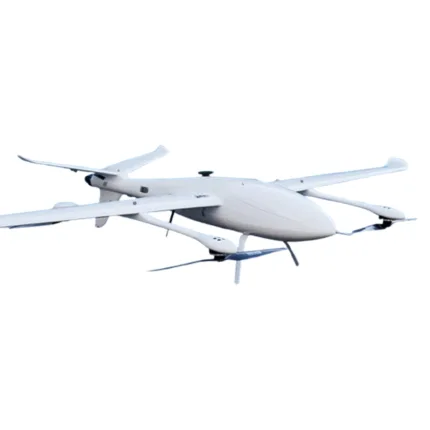
Foxtech Loong 170 VTOL

In stock

524,850.00
Select options This product has multiple variants. The options may be chosen on the product page

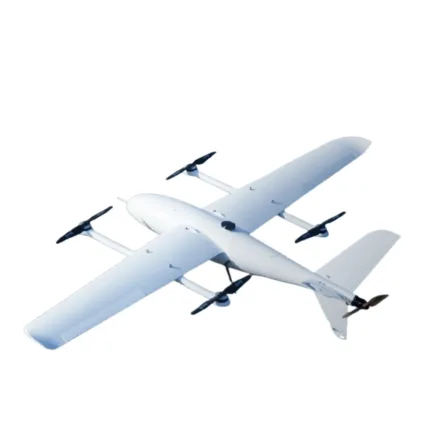
BABY SHARK 260 PRO VTOL

In stock

Price range: ₹1,309,350.00 through ₹1,429,350.00
Select options This product has multiple variants. The options may be chosen on the product page

Tiger-240 VTOL for Mapping and Survey

In stock

1,373,850.00
Select options This product has multiple variants. The options may be chosen on the product page

Foxtech Pegasus-230 PRO VTOL

In stock

Price range: ₹835,350.00 through ₹1,874,850.00
Select options This product has multiple variants. The options may be chosen on the product page

FOXTECH BABY SHARK 260 VTOL

In stock

Price range: ₹1,237,350.00 through ₹1,450,350.00
Select options This product has multiple variants. The options may be chosen on the product page

FOXTECH Great Shark 330 VTOL

In stock

Price range: ₹1,405,350.00 through ₹1,976,850.00
Select options This product has multiple variants. The options may be chosen on the product page

Foxtech Eagle-360 Hybrid VTOL

In stock

Price range: ₹3,016,350.00 through ₹3,884,850.00
Select options This product has multiple variants. The options may be chosen on the product page

FOXTECH AYK-320 PRO VTOL

In stock

Price range: ₹1,883,850.00 through ₹1,958,850.00

Fixed Wing Drones: Advanced Aerial Solutions for Every Industry

By providing longer flight durations, improved stability, and wider coverage than conventional multirotor drones, fixed wing drones are transforming the unmanned aerial vehicle (UAV) market. With wings that create lift, these drones resemble tiny airplanes and can move through the air with ease. Fixed wing drones are perfect for surveillance, agricultural monitoring, long-distance missions, and large-scale mapping because of their design. For professionals and organizations looking for dependable aerial solutions, fixed wing drones are becoming indispensable tools due to their capacity to carry heavier payloads and cover more ground.
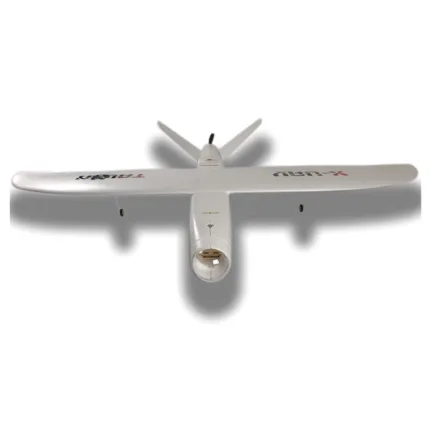
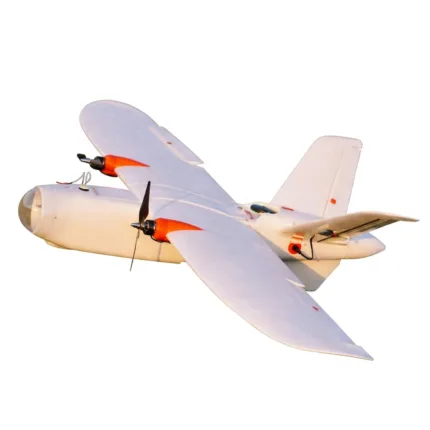
What Are Fixed Wing Drones?

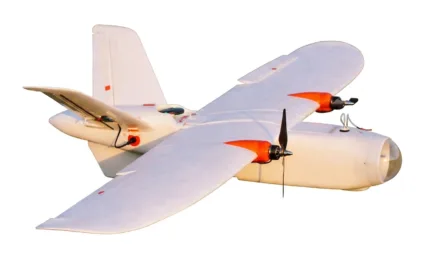
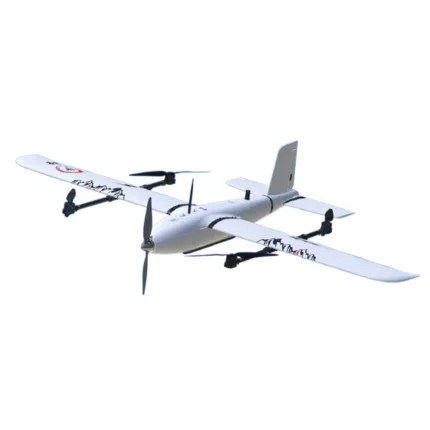
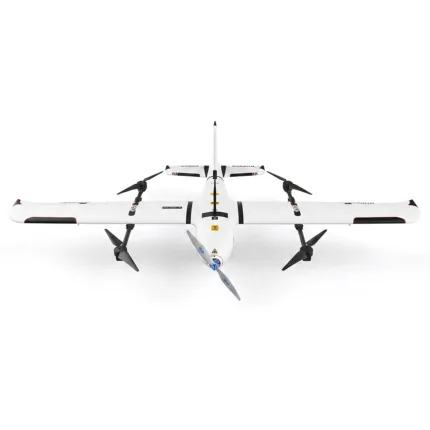
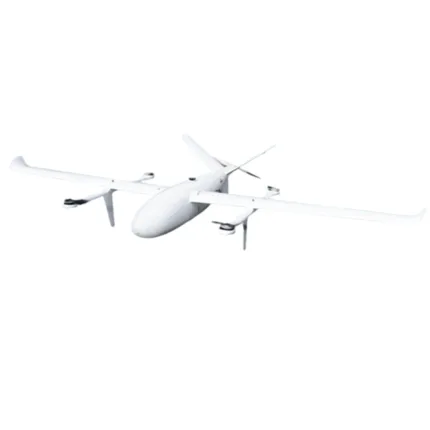
Similar to traditional airplanes, fixed wing drones are unmanned aerial vehicles that create lift by using rigid wings. Fixed wing drones need runways or catapults to launch and must continue to move forward in order to stay in the air, in contrast to multirotor drones, which use propellers for vertical takeoff and hovering.

These drones' design enables them to fly over wide areas more efficiently, faster, and for longer periods of time. Because they can carry sophisticated sensors, cameras, and other payloads, fixed wing drones are useful instruments for a variety of industries, including environmental monitoring and agriculture. Long-distance operations benefit greatly from their aerodynamic structure, which reduces energy consumption.

Key Features of Fixed Wing Drones

The distinctive features and design of fixed wing drones are what make them so successful. Longer missions are made possible by their increased wingspan, which provides efficient lift and lowers power consumption. These drones can travel great distances between charges thanks to high-capacity batteries or fuel systems.

Another crucial component is payload capacity. Applications like surveying, mapping, and precision agriculture are made possible by fixed wing drones' ability to carry cameras, multispectral sensors, LiDAR equipment, and other specialized tools. Flight safety and accuracy are further improved by advanced avionics systems, such as GPS navigation, autopilot software, and obstacle detection. Because of these characteristics, fixed wing drones are essential for jobs requiring endurance and accuracy.

Advantages of Fixed Wing Drones Over Multirotor Drones

When compared to multirotor drones, fixed wing drones have a number of advantages. The longest flight duration is the main advantage. Fixed wing drones are perfect for large-area surveys or monitoring missions because they can stay in the air for several hours, whereas multirotor drones usually only fly for 20 to 40 minutes.

More coverage is an additional benefit. They can cover more ground and map large areas more effectively thanks to their aerodynamic design. Furthermore, fixed wing drones are capable of transporting larger payloads, which makes them appropriate for scientific instruments, professional-grade sensors, and cameras. Additionally, they are more stable in windy conditions, which guarantees precise data collection in settings where multirotor drones might not perform well.

Applications of Fixed Wing Drones

Due to their versatility, fixed wing drones are now essential in a wide range of industries. They are employed in agriculture for soil mapping, irrigation analysis, and crop health monitoring. Fixed wing drones with multispectral cameras give farmers comprehensive information about crop conditions, maximizing yields and conserving resources.

These drones effectively cover wide areas during surveying and mapping, producing 3D models, topographic maps, volumetric measurements, and high-resolution imagery. Drones with fixed wings that track wildlife, study ecosystems, and track climate change over large areas are also useful for environmental monitoring.

Drones with fixed wings are employed in defense and security for disaster relief efforts, reconnaissance missions, and border surveillance. They are perfect for monitoring vital infrastructure, disaster-affected areas, and isolated places with restricted human access due to their long-range capabilities.

How Fixed Wing Drones Work?

Drones with fixed wings move by creating lift with their wings. The drone can continue to move forward and stay in the air thanks to thrust from propellers or jet engines. The drone is guided along pre-programmed paths by flight control systems, GPS navigation, and autopilot software, which guarantees accurate and steady flight.

Operators can create effective flight routes, modify speed and altitude, and track progress in real time with mission planning software. While wireless transmission and onboard storage enable the drone to transmit data to ground control stations for analysis, sensor integration guarantees precise data collection.

Despite not being able to hover like multirotor drones, fixed wing drones are better for long-distance and high-coverage missions due to their efficiency and endurance. They are perfect for prolonged operations in environmental monitoring, surveying, and agriculture because of their ability to glide, which lowers energy consumption.

Benefits of Using Fixed Wing Drones

There are many advantages for professionals and organizations when fixed wing drones are used. Large-area coverage without frequent disruptions is made possible by their efficient design and prolonged flight duration. This lowers operating costs and increases productivity.

Whether using multispectral sensors, LiDAR, or imaging, fixed wing drones deliver high-quality data. Industries can optimize processes and make well-informed decisions with the aid of accurate and trustworthy data. Operators can equip drones with specialized instruments to carry heavier payloads, increasing the range of applications for these drones.

Another advantage is safety. Drones with fixed wings can fly over dangerous or inaccessible areas, lowering the risks to human workers. They are dependable instruments for important missions because of their stability in inclement weather, which guarantees consistent performance.

Challenges in Fixed Wing Drone Operations

Drones with fixed wings have operational difficulties despite their many benefits. Their inability to hover restricts their capacity to collect data from a single location, in contrast to multirotor drones. A runway or catapult system is necessary for takeoff and landing, but this may not be possible in every location.

Flight performance can be impacted by weather, particularly when there is a lot of wind or rain. Long-distance flights may also be limited by fuel or battery constraints. Furthermore, to guarantee effective and secure operations, fixed wing drones need trained operators and careful mission planning. When using these drones, regulatory compliance—including airspace restrictions and permits—must also be taken into account.

Future of Fixed Wing Drones

With developments in battery technology, aerodynamics, and AI-driven flight control, the future of fixed wing drones looks bright. Operational range and flight duration will be increased by fuel-efficient designs and longer-lasting batteries. Autonomous mission planning, obstacle avoidance, and navigation will all be improved by AI and machine learning.

Fixed wing drones will become even more effective for industrial applications with integration with cloud platforms and IoT devices, which will allow for real-time data analysis and fleet management. Fixed wing drones, which provide scalable and dependable aerial solutions, will become increasingly important as technology advances in fields such as agriculture, mapping, environmental monitoring, defense, and disaster response.

Why Invest in Fixed Wing Drones?

Businesses and professionals who need dependable, high-performing aerial tools can benefit in the long run by investing in fixed wing drones. They are a flexible investment due to their capacity to carry heavy payloads, cover wide areas effectively, and gather high-quality data.

Fixed wing drones give agricultural companies accurate crop insights that lower expenses and increase yields. Environmental agencies gain improved monitoring capabilities, and surveying firms benefit from quicker mapping and modeling. Defense and security agencies can monitor large areas with little assistance from humans, guaranteeing efficiency and safety. Long-term cost savings, safety, and increased productivity are all benefits of investing in fixed wing drones.

Conclusion

Unmanned aerial systems' capabilities are being redefined by fixed wing drones. They are perfect for uses in surveying, agriculture, environmental monitoring, defense, and more due to their long-range capabilities, high payload capacity, and aerodynamic design.

Drones with fixed wings will become even more effective, intelligent, and self-sufficient as technology develops. Adopting these drones gives businesses a competitive edge through increased data collection, safer aerial operations, and operational efficiency. Drones with fixed wings are more than just instruments; they are game-changing innovations influencing the direction of aerial technology.