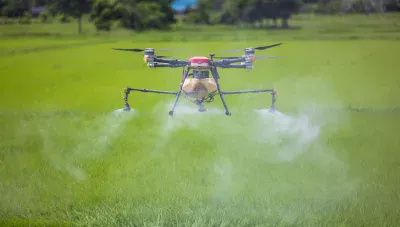
Fixed Wing Drones
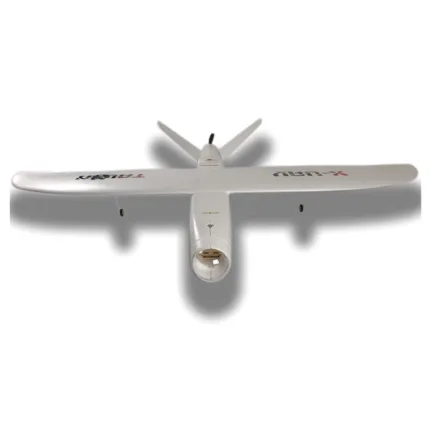
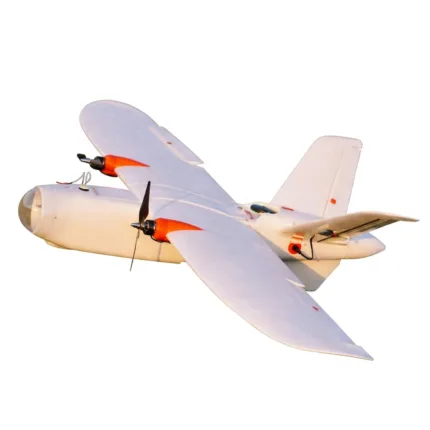
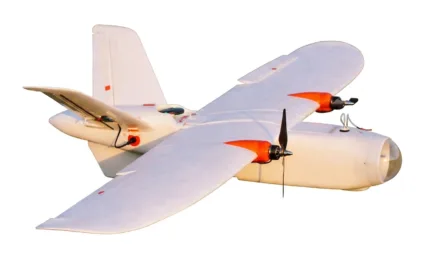
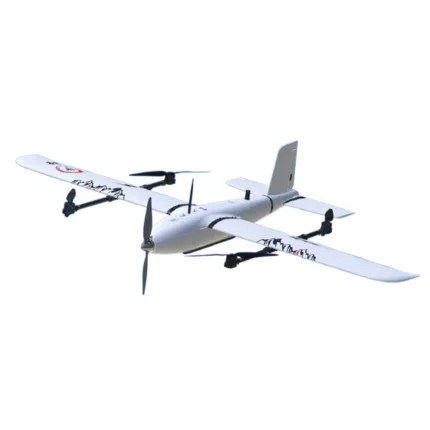
By providing longer flight durations, improved stability, and wider coverage than conventional multirotor drones, fixed wing drones are transforming the unmanned aerial vehicle (UAV) market. With wings that create lift, these drones resemble tiny airplanes and can move through the air with ease. Fixed wing drones are perfect for surveillance, agricultural monitoring, long-distance missions, and large-scale mapping because of their design. For professionals and organizations looking for dependable aerial solutions, fixed wing drones are becoming indispensable tools due to their capacity to carry heavier payloads and cover more ground.

Fixed Wing FAQ
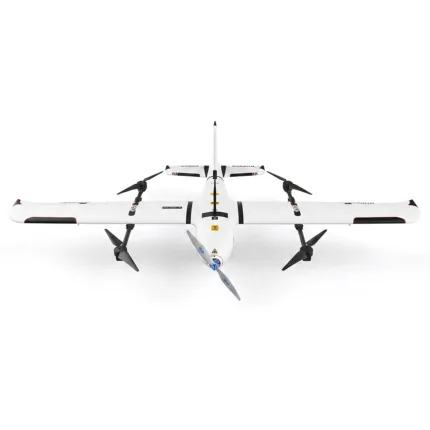
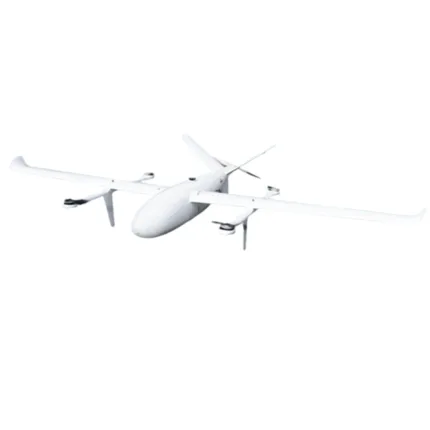
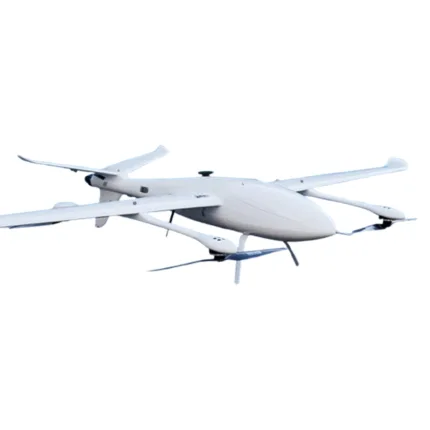
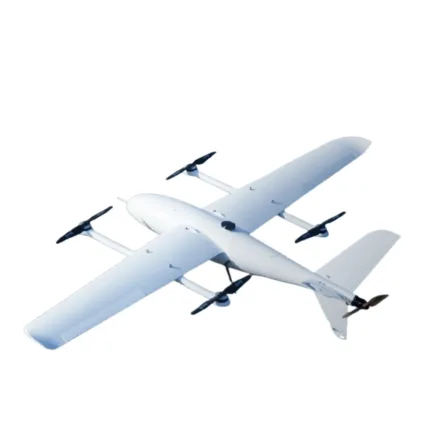
A fixed-wing aircraft is an aircraft that generates lift through stationary wings. Unlike helicopters or multirotor drones, the wings do not move. Examples include airplanes, gliders, and fixed-wing UAVs.
Fixed-wing aircraft are generally more fuel-efficient, can fly longer distances, carry heavier payloads, and achieve higher speeds compared to rotary-wing aircraft.
No. Fixed-wing aircraft require forward motion to generate lift, so they cannot hover like helicopters or quadcopters.
Fixed-wing drones are widely used in mapping, agriculture, surveying, military reconnaissance, environmental monitoring, and long-range delivery operations.
The main limitation is the need for runway space or a launch/recovery system for takeoff and landing, especially for larger aircraft. They are also less maneuverable at low speeds compared to rotary-wing systems.