FPV Drones: Redefining the Future of Immersive Flight
First-Person View drones, or FPV drones for short, have completely changed how people fly. By transmitting a live video feed from the drone's onboard camera to FPV goggles or a screen, FPV drones put you right in the pilot's seat, unlike conventional drones that rely on line-of-sight control. Because of this immersive flying experience, FPV drones are very popular among hobbyists looking for an exciting flying adventure, drone racing enthusiasts, and aerial cinematographers. FPV drones offer an unparalleled blend of thrill, performance, and artistic possibilities thanks to their sophisticated flight control systems, high speed capabilities, and precise handling.
What Are FPV Drones?
FPV drones are a unique kind of unmanned aerial vehicle (UAV) that allows the pilot to view a live video feed from the drone's camera. By using FPV goggles or a monitor, the pilot can see exactly what the drone sees, giving them the impression that they are in the cockpit. High-frequency analog or digital video signals that permit almost zero latency are used to accomplish this real-time transmission, which is necessary for accurate control during fast-paced maneuvers.
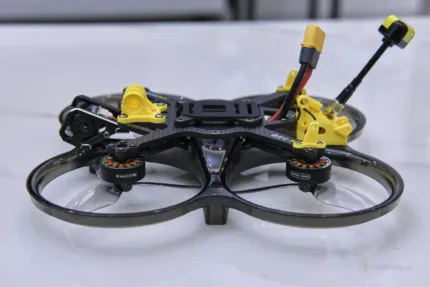
FPV drones are usually designed for maneuverability, speed, and agility. They have sophisticated flight controllers that react quickly to pilot input, strong motors, and lightweight frames. These drones are utilized in cinematic videography, drone racing, freestyle flying, and even specialized fields where rapid reaction times and close-quarters navigation are essential.
The Rise of FPV Drone Technology
FPV drones have changed from being a specialized hobby to a popular trend in the drone industry over the last ten years. Analog video transmission, which provided low latency but poorer image quality, was used in early FPV systems. Digital FPV systems, such as DJI's HD FPV, have revolutionized the industry by giving pilots high-definition, crystal-clear live feeds with minimal latency for responsive control.
Better flight controllers, stronger batteries, and robust drone frames that can withstand high-speed collisions have also been made possible by technological advancements. With the advent of FPV simulators, novice pilots can now learn without risking equipment damage, and seasoned pilots can virtually practice intricate flight patterns. Consequently, FPV drones have become popular among professional filmmakers, competitive racers, and hobbyists alike.
How FPV Drones Work?
The drone itself, the FPV camera, the video transmitter, and the FPV goggles or monitor are the four primary parts that make up an FPV drone. The drone's video transmitter receives a live video feed from the camera. The pilot's FPV goggles receive this signal wirelessly after that.
One of the most important aspects of FPV flight is latency, or the interval between the camera taking an image and the pilot viewing it. Real-time response is ensured by low latency, which permits accurate control during rapid movements. While onboard flight controllers process input and stabilize the drone, FPV drones also use radio transmitters and receivers to control flight. For improved performance and safety, sophisticated systems incorporate GPS, return-to-home capabilities, and adjustable flight modes.
Types of FPV Drones
Depending on their intended use, FPV drones can take many different forms. Racing FPV drones can frequently reach speeds of over 100 km/h because they are designed for speed and agility. They have strong brushless motors, lightweight carbon fiber frames, and aerodynamic designs. Contrarily, freestyle FPV drones emphasize acrobatics and fluid motions, enabling pilots to execute flips, rolls, and spins in open areas.
Another emerging market is cinematic FPV drones, which are made to record fluid, dynamic video. They combine the stability of camera drones—often outfitted with stabilized cameras or GoPros—with the agility of racing drones. In order to produce dramatic, immersive visuals that conventional drones are unable to produce, these drones are utilized in real estate videography, film production, and promotional videos.
Why FPV Drones Are So Popular?
The immersive flying experience that FPV drones provide is the primary factor behind their rising popularity. Navigating the skies at amazing speeds gives pilots the impression that they are actually inside the drone. Few pastimes can compare to the adrenaline rush created by this feeling of flight and the difficulty of controlling it.
FPV drones are also a creative outlet. Pilots can show off their freestyle flying prowess online or capture stunning aerial footage from unusual angles. Pilots share builds, tuning advice, and cinematic reels on social media, fostering a lively and cooperative FPV community. FPV drone racing leagues and events have turned drone flight into a competitive sport that is watched by fans all over the world.
Applications of FPV Drones
Although FPV drones began as a hobby, they are now used in both the commercial and professional sectors. Directors and videographers can now take close-up, dynamic shots in cinematography that were previously unattainable with conventional drones thanks to FPV drones. They are utilized in situations requiring quick and fluid motion, such as car chases, extreme sports videos, and movie scenes.
FPV drones provide live visuals without endangering human safety while assisting professionals in inspection and maintenance in confined spaces such as wind turbines, pipelines, and industrial plants. By enabling responders to investigate hazardous or difficult-to-reach areas in real time, FPV systems also improve search and rescue operations.
Furthermore, FPV drone racing, which combines technology, skill, and competition, has become a worldwide phenomenon. Wearing FPV goggles, pilots compete through challenging courses, depending on their ability to fly precisely and react in a split second to win.
Building vs. Buying FPV Drones
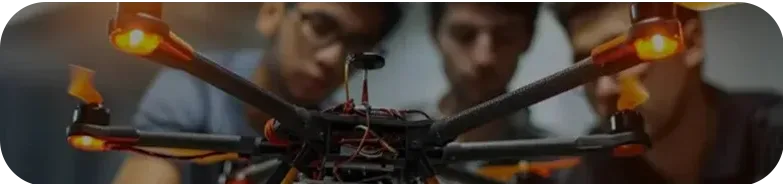
The ability to build or purchase a drone is one distinctive feature of the FPV drone community. By starting from scratch, enthusiasts can fully customize parts like motors, frames, cameras, and flight controllers. It's a great way to develop your repair skills and learn about drone mechanics.
However, ready-to-fly FPV drones from companies like DJI and BetaFPV provide plug-and-play options for individuals looking for convenience. These drones are ideal for novices or experts who require reliable, consistent performance without complicated assembly because they come pre-calibrated with integrated FPV systems. Knowing how to set up and tune your drone, whether you build it yourself or purchase one, will guarantee its longevity and best flying performance.
Safety and Regulations for FPV Drones
Responsible FPV drone operation is crucial for both legal compliance and safety. Most aviation authorities require a visual observer, or "spotter," to keep direct sight of the drone because FPV flight involves the use of goggles that restrict the pilot's line of sight. Local drone laws pertaining to restricted areas, altitude restrictions, and registration requirements must also be followed by pilots.
Avoiding crowded or delicate areas, keeping a clear video feed, and checking the drone's battery health are all examples of safety measures. Risks are reduced by starting in open areas and working your way up to more complex settings. Responsible flying guarantees that regulators and enthusiasts alike will continue to have a favorable opinion of FPV drones.
The Future of FPV Drones
As technology develops further, FPV drones appear to have a very bright future. FPV flight is now more dependable and accessible than ever thanks to advancements in digital video transmission, low-latency systems, and AI-assisted flight controls. Longer flight times will be made possible by battery innovation, and performance and durability will be improved by lighter and stronger materials.
Major production companies are already using FPV drone cinematography, and drone racing is becoming more and more popular as a professional sport. FPV flying will become even more immersive as VR and AR technologies advance, fusing digital interfaces with navigation in the real world. This field will continue to be fascinating, fast-paced, and full of opportunities thanks to continuous innovation in FPV drone design and software.
Conclusion
Aerial flight is now a dynamic, creative, and immersive experience thanks to FPV drones. These drones provide countless possibilities for professional, artistic, and entertainment purposes, ranging from exhilarating races to dramatic storytelling. They keep pushing the limits of what drones can accomplish with their unique combination of speed, accuracy, and creativity.
FPV drones will only get smarter, faster, and more adaptable as technology develops, eventually becoming a crucial component of media production, industries, and leisure flying. FPV drones offer a unique flying experience, regardless of whether you're a professional seeking creative excellence or a hobbyist seeking excitement.