

Anti-Drone System: Protecting Airspace with Advanced Technology
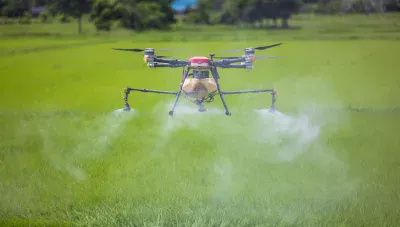
Numerous industries, including defense, logistics, agriculture, and surveillance, have benefited greatly from the increasing use of drones. But security is a problem that is just as significant as the increase in drone use. Unmanned aerial vehicles (UAVs) may be abused for hostile attacks, smuggling, or unlawful surveillance. An anti-drone system becomes crucial in this situation. These systems protect critical infrastructure, businesses, and governments by identifying, tracking, and eliminating unauthorized drones.
What Is an Anti-Drone System?
A specialized defense technology called an anti-drone system is made to detect and stop unapproved or potentially hazardous drones. Anti-drone systems are specially designed to safeguard the airspace from changing aerial threats, in contrast to conventional security measures that frequently concentrate on ground-based threats. These systems identify and neutralize drones before they can cause damage by combining sensors, radars, cameras, and jamming devices.
As drone use grows globally, there is a growing need for efficient anti-drone solutions in a variety of settings, including stadiums, private properties, government buildings, and airports.
How Anti-Drone Systems Work
An anti-drone system goes through several phases of operation. Initially, it uses radar, radio frequency sensors, or optical cameras to identify a drone. After detection, the system tracks its flight path and determines the type and purpose of the drone. Countermeasures are then deployed to eliminate the threat.
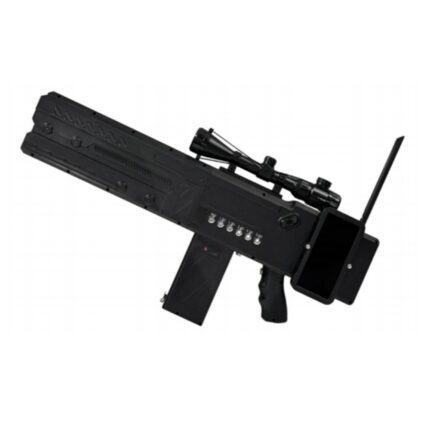
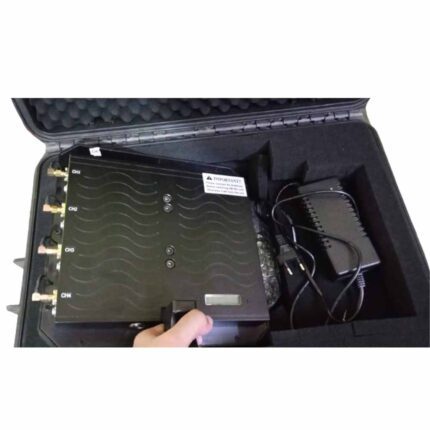
Countermeasures include GPS spoofing, which confuses the drone's navigation system, and signal jamming, which interferes with communication between the drone and its operator. In more complex setups, systems may physically disable drones using net launchers, laser weapons, or other technologies. The objective is to maintain airspace security without harming nearby infrastructure.
Importance of Anti-Drone Systems in Modern Security
Over the past decade, there has been a significant increase in the demand for anti-drone systems. Drones have evolved into powerful tools that can carry payloads, record private information, and invade restricted areas. They are no longer merely toys. Unauthorized drones pose risks of terrorism or espionage for national security. They may also interfere with airport operations or infringe on corporate privacy.
Public gatherings are also vulnerable, as drones can put attendees’ safety at risk. For this reason, in addition to conventional ground-based defenses, anti-drone systems are now regarded as a crucial security measure. They safeguard people, property, and national interests by preventing airspace intrusions above vital zones.
Types of Anti-Drone Systems
There is no one-size-fits-all anti-drone solution. Different system types are required for various environments and security requirements. Certain portable systems are lightweight and suitable for field operations, while others are fixed installations designed to safeguard airports, government buildings, and other sensitive sites.
Vehicle-mounted mobile systems provide flexibility for military operations or scenarios where threats may shift locations. Each type is equipped with unique countermeasure technologies tailored to its deployment environment.
Applications of Anti-Drone Systems
Defense forces use anti-drone technology to defend against hostile activity in bases, convoys, and combat zones. In civil aviation, airports deploy these systems to prevent drones from disrupting runway operations.
Other applications include government buildings, oil refineries, and power plants, which require protection against aerial threats. Stadiums and event venues also rely on them to secure concerts, sporting events, and political rallies. Their versatility makes them essential for aerial security across industries.
Key Features of Advanced Anti-Drone Systems
Modern anti-drone solutions feature AI-powered analytics that distinguish between drone types, long-range radar for early detection, and multi-sensor integration for accuracy.
Scalability is another critical factor. Many systems are modular, enabling upgrades and expansions as threats evolve. This ensures that businesses remain protected even as drone technology advances.
Challenges in Anti-Drone Technology
Despite their effectiveness, anti-drone systems face several challenges. One key issue is distinguishing between authorized and unauthorized drones, particularly in populated areas. Keeping pace with rapid drone innovation is another challenge, as new models may include stealth features.
Legal and regulatory restrictions also pose obstacles, especially in regions where jamming technologies are restricted. Nonetheless, ongoing research and development is continually enhancing system capabilities.
The Future of Anti-Drone Systems
The future of anti-drone technology looks promising, with advances making systems faster, more accurate, and cost-effective. Artificial intelligence will play a central role in automating detection and response, while directed-energy weapons like high-powered lasers promise instant neutralization with minimal collateral damage.
Another trend is integration with broader security networks, combining cyber, ground, and aerial defenses for comprehensive protection. These innovations will ensure that security measures remain ahead of evolving threats.
Why Choose Our Anti-Drone Systems
Investing in the right anti-drone system is critical for airspace protection. Our solutions leverage state-of-the-art technology for accurate detection and effective neutralization. We deliver adaptable systems with expert support and training tailored for commercial, private, and defense applications.
With an emphasis on scalability, reliability, and compliance with local regulations, our systems provide long-term value. Whether you need a fixed installation for continuous coverage or a portable solution for rapid deployment, our anti-drone products meet the highest security standards.
Conclusion
As drones become more widespread and versatile, airspace protection has never been more critical. An anti-drone system delivers the advanced defense required to detect, track, and neutralize aerial threats before they cause harm. These systems are now a core component of modern security infrastructure, from military bases to public gatherings.
As drone technology evolves, so too must the systems built to combat it. By investing in reliable, cutting-edge anti-drone solutions, organizations can protect people, assets, and national security. Anti-drone systems are at the forefront of this essential defense, proving that the future of security is not only on the ground but also in the air.