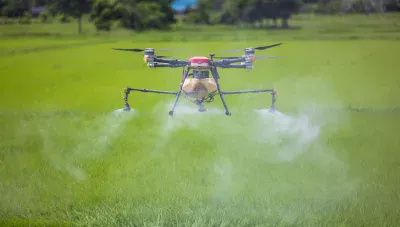
KAU Conducts Successful Drone-Based Seed Sowing Trial in Waterlogged Paddy Fields


The Kerala Agricultural University (KAU) has successfully conducted a trial run of drone-based seed sowing in wet paddy fields, marking a significant step toward modernizing agriculture. The World Bank-backed project intends to tackle persistent issues in Pokkali farming regions, where an abundance of mud and standing water has rendered conventional sowing labor-intensive and ineffective.
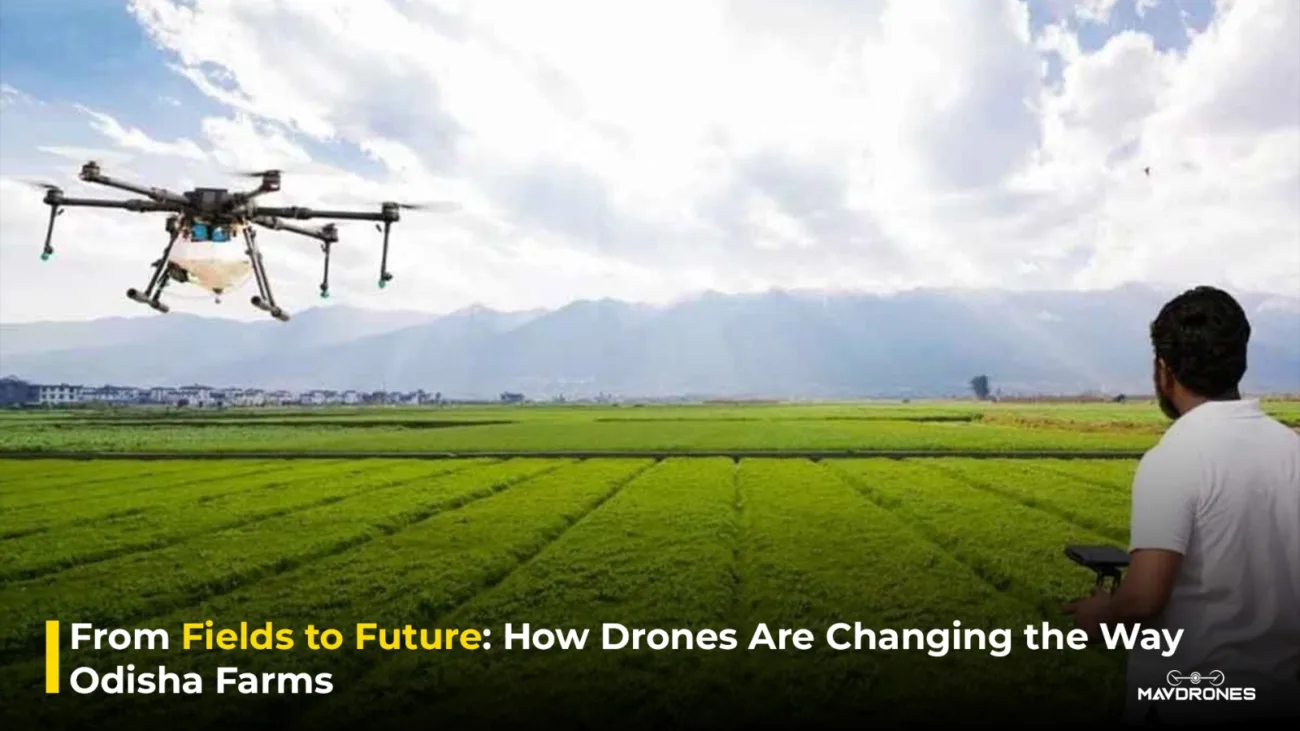
A drone that could carry and distribute up to 10 kilograms of germinated seeds was used in the trial, which was carried out in partnership with the State Department of Agriculture and Fuselage Innovation, a startup supported by KAU’s Agri-Business Incubation Program. In contrast to the labor-intensive and slow manual methods, the drone took only 20 to 25 minutes to plant seeds across an acre.
Officials emphasized that this approach ensures better crop establishment by improving uniform seed distribution and lowering labor requirements. It was found that by increasing efficiency, the drone-based method can save up to 10 kilograms of seeds per acre. It was discovered that seeds that had germinated or sprouted were especially useful for aerial sowing in saturated soils because they provided superior anchorage and accelerated initial growth.
Inspired by the trial’s success, KAU has now started testing drones with larger payload capacities in an effort to increase the technology’s applicability for extensive operations. Dr. K.P. Sudheer, head of KAU’s Agri Business Incubator, described the innovation as part of the university’s larger efforts to lessen physical strain on farmers by integrating next-generation technologies into traditional practices.
In areas like Pokkali fields and Kuttanad, where low-lying terrain and water saturation make conventional farming difficult, the drone sowing initiative is anticipated to have a particularly transformative impact. Adoption of such technologies, according to officials, has the potential to transform paddy cultivation and make it more resilient to labor and climate challenges, as well as more efficient and sustainable.
With Kerala at the forefront, the project could serve as a model for similar initiatives in other agro-climatically constrained states, ultimately influencing the direction of precision agriculture in India.

CEO, Mavdrones
Pradipta V Mukherjee is the visionary CEO of Mavdrones & Drone Pathshala, driving innovation and growth in the drone industry. With a passion for advanced technology, he leads the company's strategic direction, ensuring Mavdrones stays at the forefront of drone solutions. Under his leadership, Mavdrones has achieved remarkable success, including winning the 'Best Innovation and Technology in Drone Industry' award from ASSOCHAM. Pradipta is committed to revolutionizing the industry through advanced UAV technology, fostering a culture of excellence and forward-thinking within the organization.