The Evolution of Drone Technology: From Hobby Toys to Industrial Powerhouses


Drones, which were once thought of as toys for tech enthusiasts and hobbyists, have quickly developed into strong instruments that are revolutionizing industries all over the world. Originally small flying devices operated by remote joysticks, autonomous aerial platforms have evolved into a complex ecosystem that is advancing innovation in a variety of industries, including construction, logistics, defense, and agriculture.
It took time for this change to occur. Drones have evolved from toys to professional-grade powerhouses due to ongoing advancements in materials, artificial intelligence, sensors, and regulatory frameworks.
Early Days: Drones as Hobby Toys
Consumer drones were innovative devices for aerial photography and enjoyable flying experiences when they first hit the market in the early 2000s. These early quadcopters had limited flight time, range, and stability and frequently had simple cameras. They were primarily marketed to tech-savvy individuals who loved the rush of piloting a flying machine, hobbyists, and drone racers.
By providing user-friendly designs with integrated stabilization, GPS capabilities, and high-definition cameras, brands like Parrot and DJI started to attract attention. Drone photography gained popularity thanks in large part to social media platforms, which also made drones a popular toy among tech enthusiasts and content producers.

The Turning Point: Drone Tech Gets Smarter
Demand for improved features and more useful applications increased along with the popularity of drones. As a result, intelligent technologies such as:
- GPS and navigational aids for steady flight routes
- Sensors for detecting and avoiding obstacles
- Gimbal-equipped 4K cameras for footage of cinematic quality
- The purpose of return-to-home (RTH) is safety.
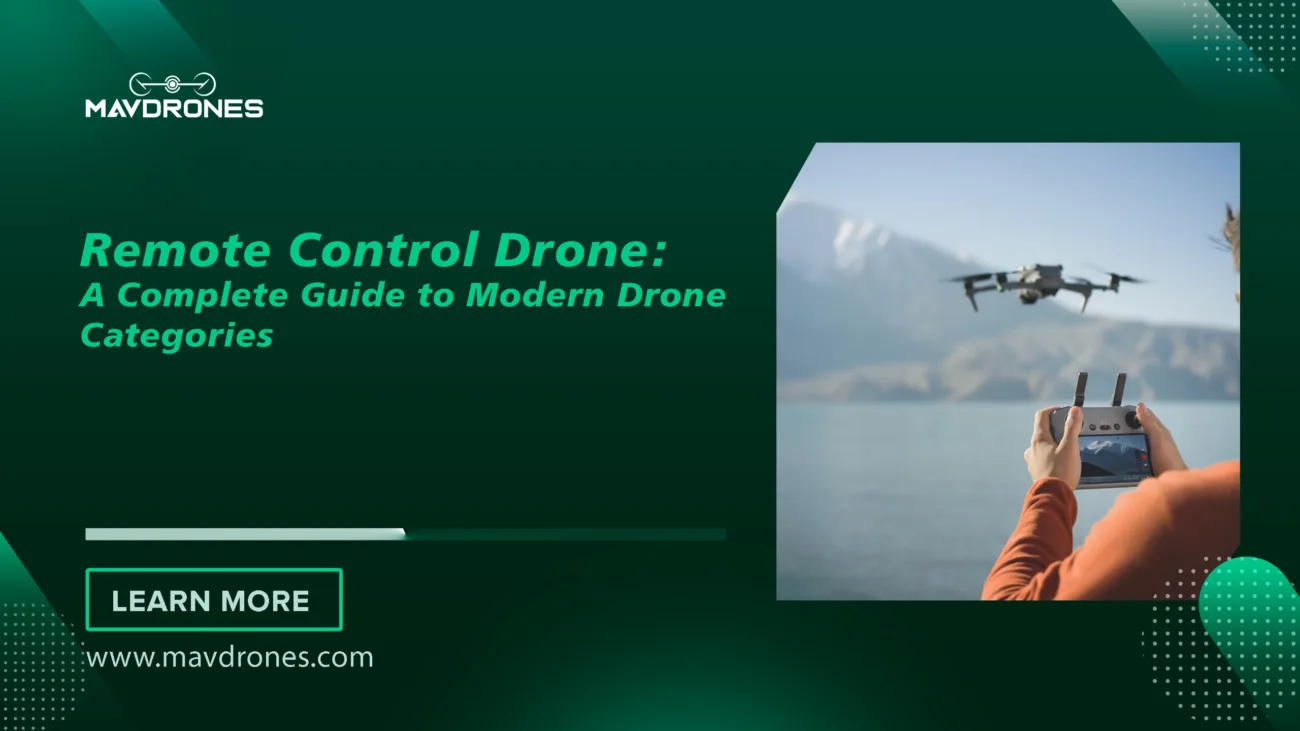
- Integration of mobile apps for mapping and real-time control.
Drones evolved from basic remote-controlled aircraft to semi-autonomous devices with intelligent flight capabilities by the middle of the decade. The foundation for industrial applications was established.
The Rise of Industrial Drones
The ability of drones to address practical problems was immediately recognized by industries. Businesses started using commercial-grade drones for jobs that were too costly, time-consuming, or hazardous to complete by hand. Drones are currently enabling a number of industries in the following ways:
1. Agriculture
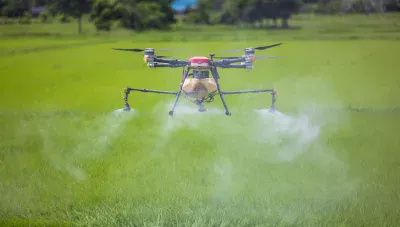
Drones are used by farmers for soil analysis, irrigation control, pesticide application, and crop health monitoring. Thermal and multispectral imaging sensors aid in yield optimization, infestation detection, and plant health analysis. Drones are being used in precision agriculture to help farmers save resources and increase productivity.
2. Construction & Infrastructure
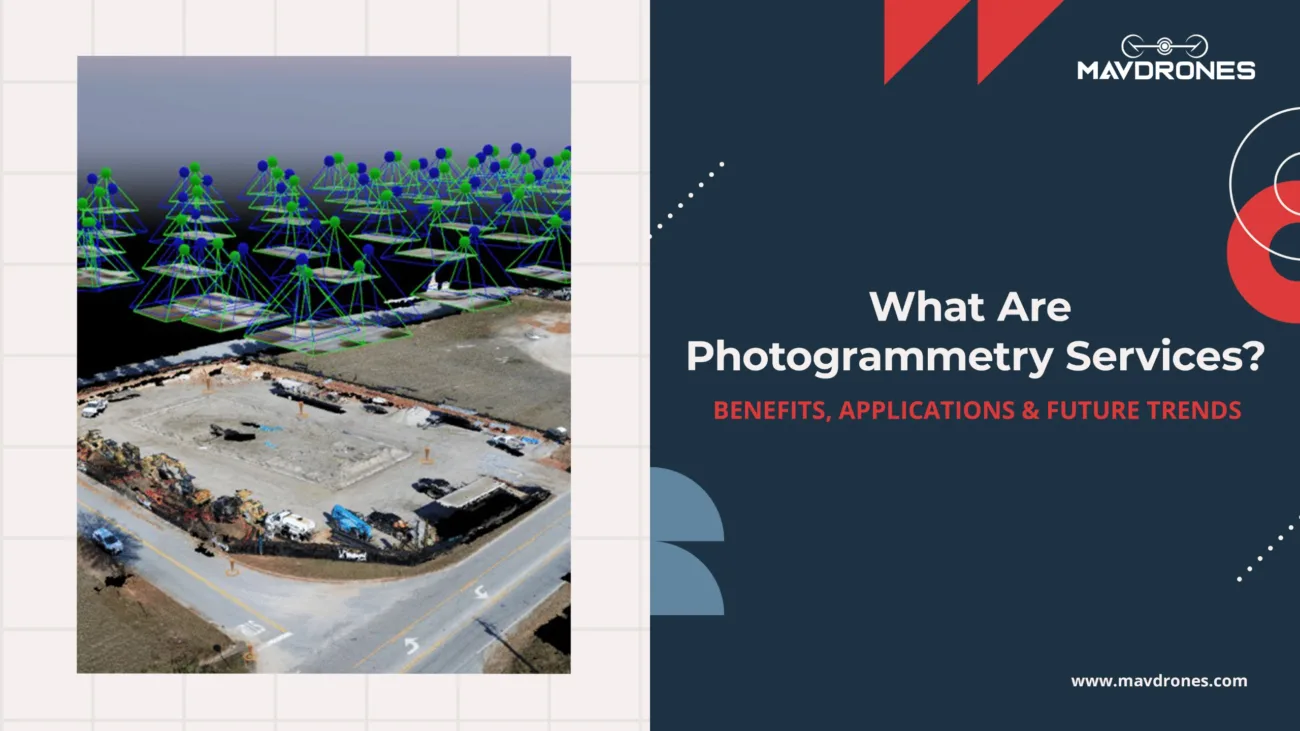
These days, drones are crucial on building sites. They are employed in land surveying, project progress tracking, inspections, and the production of three-dimensional maps of buildings and terrain. Without stopping construction, real-time data collection is possible with drone-based photogrammetry.
3. Energy & Utilities
It is risky and time-consuming to inspect solar panels, wind turbines, pipelines, and transmission lines. These structures can be safely inspected with zero downtime by drones fitted with thermal and high-zoom cameras, lowering operational costs and human risk.
4. Public Safety & Disaster Response
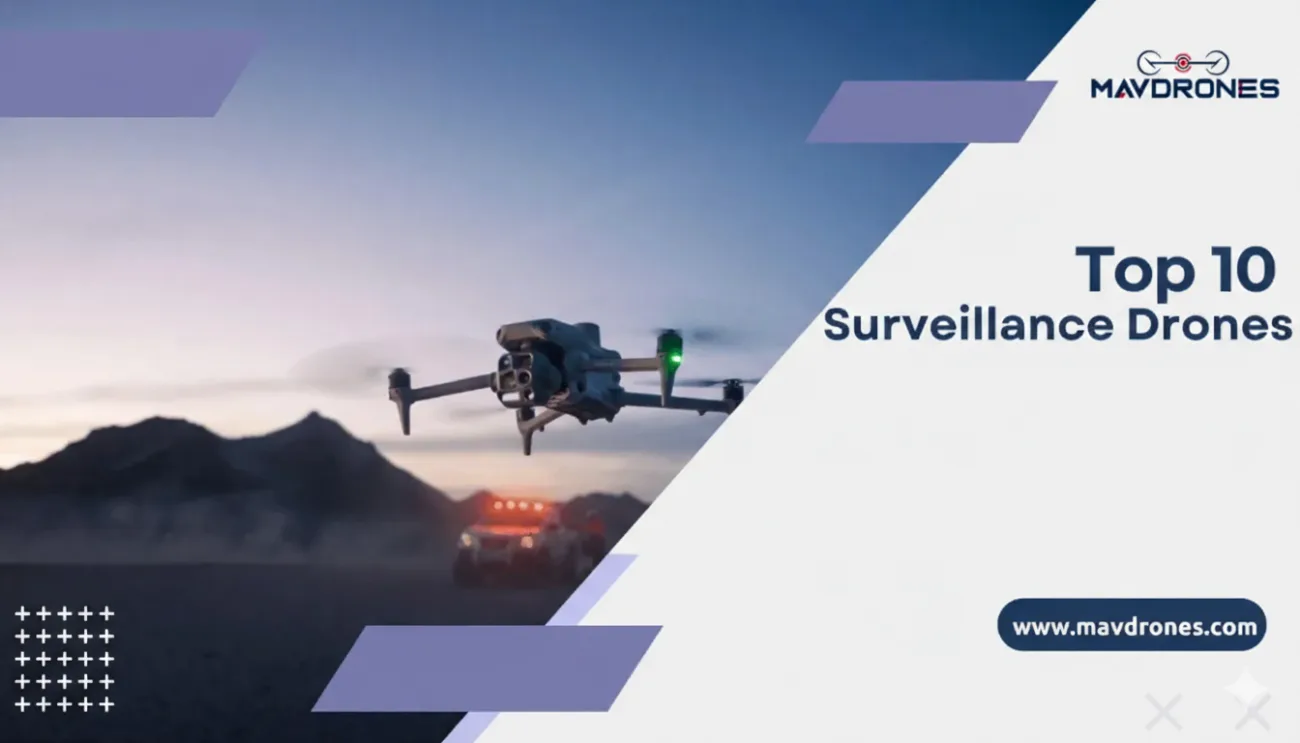
Drones are becoming essential emergency response tools for everything from search and rescue to firefighting. Responders can act more quickly and intelligently during natural disasters, accidents, or security threats thanks to their ability to access challenging terrain and provide aerial intelligence.
5. Logistics & Delivery
Drone deliveries are being tested by both startups and logistics behemoths, particularly in crowded or remote locations. Drones are being used to transport food, medicine, and other necessities to places with poor infrastructure in nations like India.
Regulatory Support and Challenges
Governments everywhere had to update their rules and regulations as drones began to operate in industrial areas. For example, the Directorate General of Civil Aviation (DGCA) in India launched the Digital Sky Platform to control drone use, pilot training, drone imports, and permissions using a digital framework.
Despite the growing support for drone regulations, issues like airspace management, privacy concerns, and misuse risk persist. However, the ecosystem is rapidly maturing due to improved compliance frameworks and increased awareness.
What’s Driving the Drone Revolution?
Drone development is accelerating due to a number of technological advancements:
- Electronics and sensors getting smaller
- Developments in AI and machine learning for autonomous flight and real-time object detection
- IoT integration and cloud connectivity
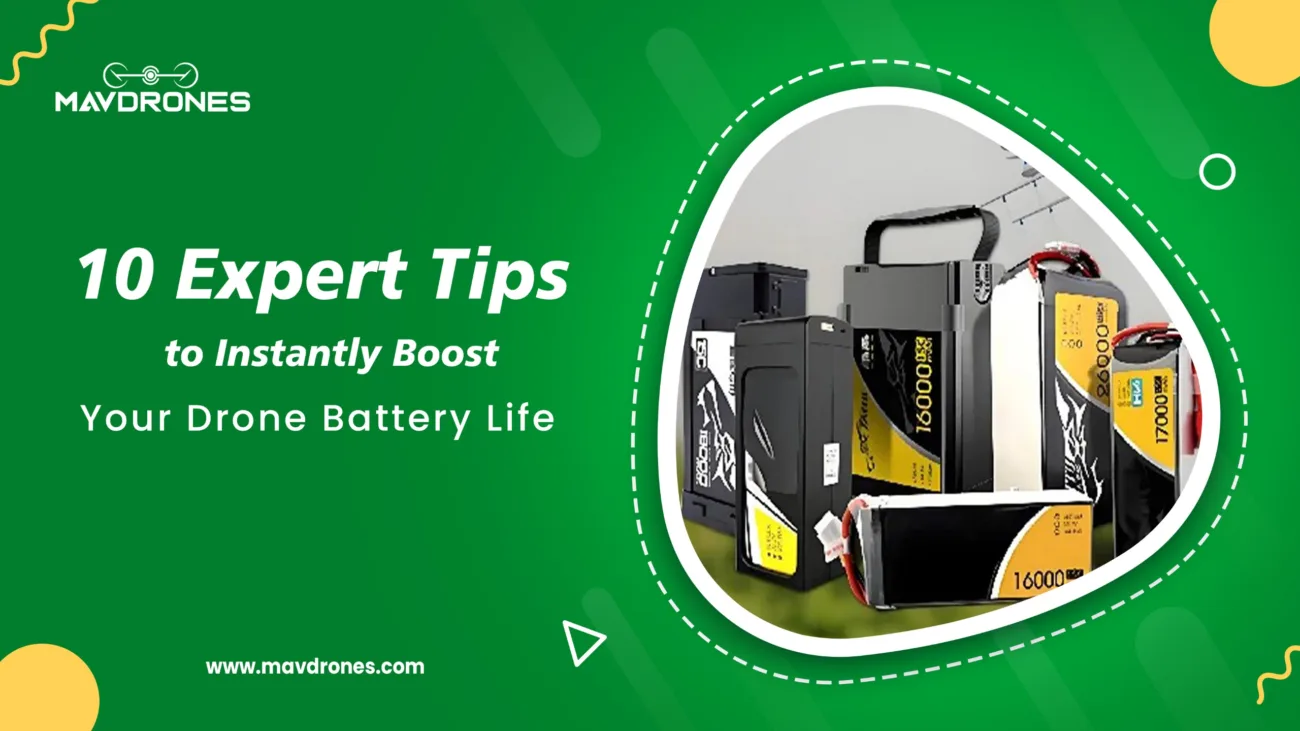
- Extended flight durations thanks to advancements in battery technology
- Drones with solar power and hybrid propulsion systems for extended missions
Drones are becoming more dependable, effective, and capable of carrying out missions in a greater variety of settings thanks to these advancements.
The Future: Autonomous and Beyond Visual Line of Sight (BVLOS)
Beyond Visual Line of Sight (BVLOS) operations and complete autonomy are key components of the next wave of drone innovation. Drones will be able to make data-driven decisions on the fly, dynamically avoid obstacles, and fly missions without human assistance thanks to AI and machine learning.
Tests of BVLOS operations are already underway for tasks such as deliveries, agricultural spraying, and surveillance. These autonomous drones have the potential to replace helicopters, ease traffic, and improve the speed and safety of numerous services once they receive widespread regulatory approval.
Conclusion
Drone technology’s transformation from toy to industrial powerhouse is evidence of how quickly innovation can completely transform entire industries. Drones are now more than just flying cameras; they are intelligent devices that are changing industries, increasing safety, lowering costs, and opening up new opportunities.
Drones will become even more important as technology develops because they can help create smarter cities, increase agricultural output, and provide quick, accurate emergency response. Drones are undoubtedly here to stay and are taking us into the future, regardless of your profession—farmer, engineer, legislator, or business owner.

CEO, Mavdrones
Pradipta V Mukherjee is the visionary CEO of Mavdrones & Drone Pathshala, driving innovation and growth in the drone industry. With a passion for advanced technology, he leads the company's strategic direction, ensuring Mavdrones stays at the forefront of drone solutions. Under his leadership, Mavdrones has achieved remarkable success, including winning the 'Best Innovation and Technology in Drone Industry' award from ASSOCHAM. Pradipta is committed to revolutionizing the industry through advanced UAV technology, fostering a culture of excellence and forward-thinking within the organization.