AI Quadruped Robot Dog: The Future of Robotics and Artificial Intelligence

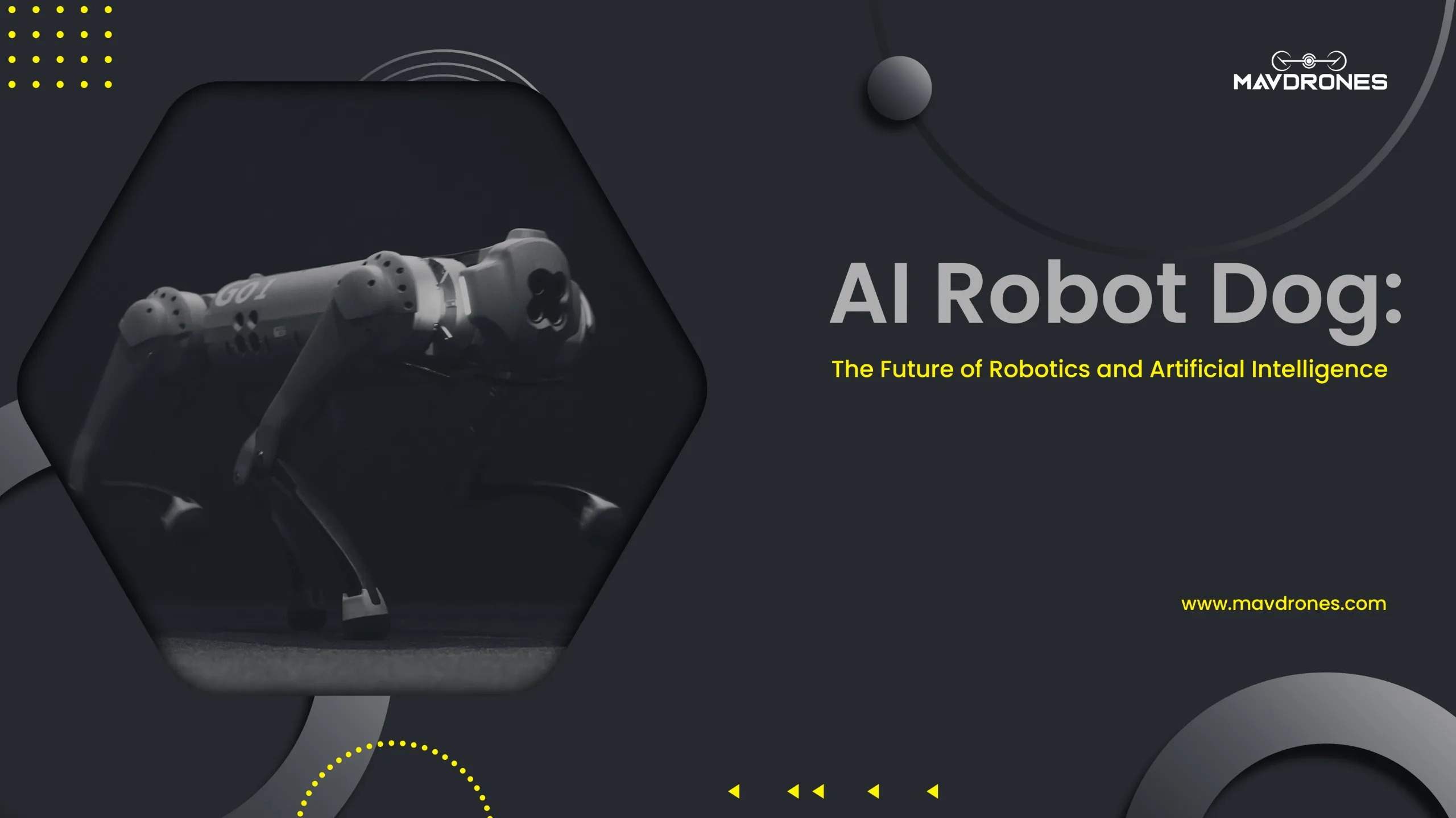
The AI robot dog is a cool and futuristic thing that has come about because of how quickly technology is changing. People all over the world are fascinated by these new machines that combine robotics and artificial intelligence. An AI robot dog is not only a great piece of engineering, but it also shows what the future of companion robots, automation, and machine learning will be like. In this blog post, we’ll talk about what an AI robot dog is, what it can do, how it might be used, and what it means for the future of robotics and AI.
What Is an AI Quadruped Robot Dog?
An AI robot dog is a very advanced machine that can mimic the behaviour, movements, and features of a real dog, but with the accuracy and flexibility of robotics. These robots usually have sensors, cameras, and machine learning algorithms that help them see what’s around them, avoid obstacles, and have meaningful conversations with people.
Artificial intelligence (AI), robotics, and machine learning are all parts of the technology that goes into making AI robot dogs. The main idea is to make a robot that acts and reacts like a pet, but is powered by the accuracy of computer algorithms and robotic movements. Companies like Boston Dynamics are now known for making AI robot dogs, especially their famous robot Spot, which has gotten a lot of attention for its wide range of skills and uses.
Key Features of AI Robot Dogs
1. Artificial Intelligence (AI) Integration
AI is what lets an AI robot dog learn from its surroundings and change how it acts. It lets the robot make decisions in real time based on sensory data and understand complicated environments. These robots can recognise faces, see movements, and interact with things thanks to AI. Machine learning algorithms also help AI robot dogs get better at responding over time, which makes them smarter and more flexible.
2. Mobility and Agility
One of the best things about AI robot dog is how fast they can move. These robots can walk, run, jump, and even climb stairs, just like real dogs. These robots can move around on a variety of surfaces, even rough or uneven ones, thanks to the many sensors built into their bodies. Their design makes them very flexible and mobile, which lets them do things that are hard for regular robots to do.
3. Autonomous Navigation
AI robot dogs have advanced sensors like LiDAR (Light Detection and Ranging), cameras, and IMUs (Inertial Measurement Units) that help them figure out what’s going on around them. These sensors let the robot move on its own, avoid obstacles, and make a map of its surroundings. For instance, they can move through crowded areas, find and avoid obstacles, and follow paths without help from people.
4. Interaction and Communication
AI robot dogs can talk to people and things around them, just like real dogs. They can understand simple commands like “sit,” “stand,” or “come here,” and they are made to respond to voice commands. Some models have even been programmed to show how they feel through body language and gestures, like wagging their tail or raising their ears. This level of interactivity makes them useful in many fields, not just as friends.
5. Safety Features
When designing AI robot dogs, safety is very important. To keep accidents from happening, many of them have emergency stop buttons, fall detection systems, and automatic shutdown protocols. Some models are also made to be more resistant to the weather, so they can handle water, dust, and other things that happen outside.
Applications of AI Robot Dogs
AI robot dogs could be used for a lot of things, not just as pets. These robotic dogs are having a big effect in the following areas:
1. Companionship and Assistance
One of the most exciting things about AI robot dogs is that they could be able to help and keep company with older people or people with disabilities. These robots can be friends to people who might otherwise feel alone, giving them comfort and a way to interact with others. They can also help with everyday tasks like getting things, letting carers know when something is wrong, or even being an emotional support animal.
2. Security and Surveillance
AI robot dogs are very useful for security and surveillance. They can patrol buildings, warehouses, or large outdoor areas with cameras and sensors, looking for signs of intruders or other illegal activity. These robots can get into places that regular security equipment can’t because they are so mobile and quick. Some AI robot dogs even have facial recognition technology that lets them recognise people they already know, which makes them even safer.
3. Search and Rescue Operations
AI robot dogs are great for search and rescue missions because they are mobile and tough. This is especially true in places where it is too dangerous for people to go. These robots can cross rough ground, go into buildings that have fallen down, or deal with dangerous situations. They can also bring supplies to rescue teams and collect important data. They can cover large areas quickly on their own, which helps first responders save lives.
4. Industrial and Military Applications
AI robot dogs are also having a big effect on the military and industry. They can be used to check on infrastructure, keep an eye on construction sites, or even carry heavy things. These robots are being tested by the military for reconnaissance, surveillance, and moving supplies in difficult terrain. In high-risk environments, they are useful because they can do things that would be dangerous or not very useful for people to do.
5. Entertainment and Education
AI robot dogs are also becoming more popular in schools and for fun. Some robot dogs are made to be toys or interactive friends for kids. They are a fun and interesting way for kids to learn about robotics and AI. In schools, they can be used to teach kids about programming, engineering, and how AI works in the real world.
The Challenges Ahead
Even though AI robot dogs have a lot of potential, there are still a lot of problems that need to be solved before they can be widely used. The price is one of the most important things to think about. Many people and businesses can’t afford these robots because the technology used to make them is expensive. There are also moral issues with using robot dogs, especially when it comes to how they affect jobs in some fields and their place in society.
Independence is another big problem. AI robot dogs can move around and do things on their own, but they still make mistakes because they depend on sensors and algorithms. This is especially true in complicated or unpredictable situations. One of the most important things that will happen in the future is that they will get better at making decisions in real time and dealing with unexpected situations.
The Future of AI Robot Dogs
The future of AI robot dogs is both exciting and hard to predict. These robots will get smarter, faster, and better at doing complicated tasks as AI and robotics keep getting better. They might become a part of our daily lives, serving as friends, helpers, and workers in many different areas.
In the future, AI robot dogs could be a big part of how humans and robots work together. They could help with everything from health care to security to fun. As AI and machine learning continue to get better, we will probably see more robots that can work with people to make our lives and workplaces better.
Conclusion
AI robot dogs aren’t just a fun new thing; they’re the most advanced robots, AI, and machine learning that we have right now. As these robots get better, they could change many parts of our lives, from helping us and keeping us safe to working in factories and providing companionship. There are still some problems to solve, but the future of AI robot dogs looks very bright. We can expect to see even smarter, faster, and more capable robots moving around our world and doing things that were once thought to be impossible as technology keeps getting better. AI robot dogs are here to stay, whether they are pets, workers, or explorers.
If you can’t wait to see what AI robot dogs can do, the best is yet to come. If you keep an eye on the latest news in robotics and AI, you’ll soon see these amazing machines become a part of your everyday life.

CEO, Mavdrones
Pradipta V Mukherjee is the visionary CEO of Mavdrones & Drone Pathshala, driving innovation and growth in the drone industry. With a passion for advanced technology, he leads the company's strategic direction, ensuring Mavdrones stays at the forefront of drone solutions. Under his leadership, Mavdrones has achieved remarkable success, including winning the 'Best Innovation and Technology in Drone Industry' award from ASSOCHAM. Pradipta is committed to revolutionizing the industry through advanced UAV technology, fostering a culture of excellence and forward-thinking within the organization.