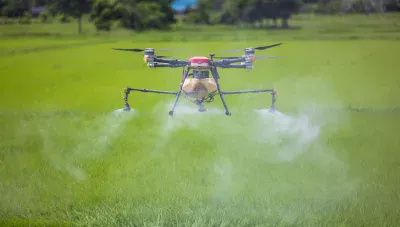
How Drones Are Redefining Modern Warfare and Shaping the Future


More than just a tactical triumph, Operation Sindoor’s effective identification and interception of enemy targets by precision loitering munitions signaled the dawn of a new era in contemporary warfare. Conflicts throughout the world are showing more and more that drones are not merely auxiliary equipment but are now the main factor influencing fighting and surveillance tactics.
The New Face of Combat
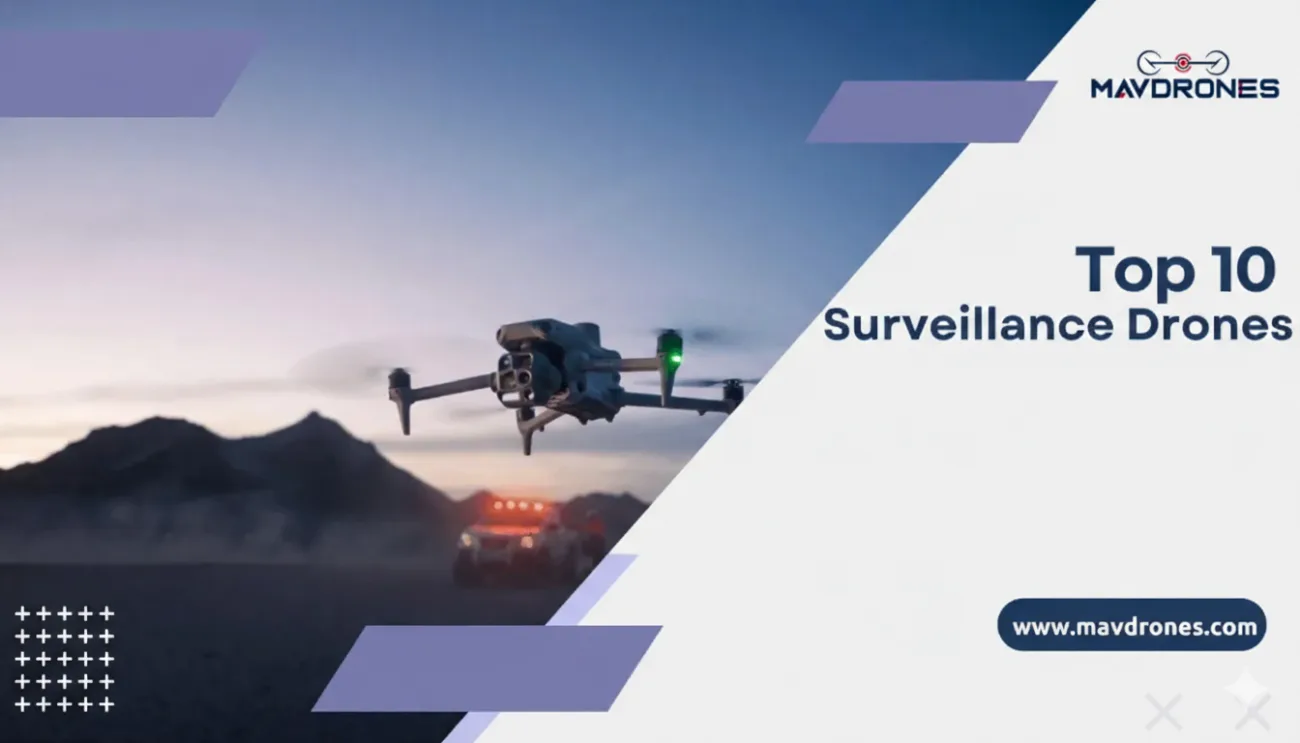
The conventional lines separating surveillance and attack have been transformed by drones. Once used simply to track enemy movements, a single platform can now immediately change into a striking system that can destroy a target. Both operational flexibility and response time are improved by this dual capacity.

Modern drones combine reconnaissance and attack capabilities, in contrast to traditional military weapons that are only intended for one of these purposes. These autonomous devices can deliver precision strikes with minimal collateral damage because of real-time data integration via satellite connectivity, AI-driven analytics, and sophisticated sensors.
Agility frequently prevails over size in the new battle environment. In certain situations, small, clever drones may outmaneuver larger military forces, demonstrating that flexibility and efficiency are more important than mere size. Compared to conventional military equipment, these technologies are also less expensive, simpler to manufacture, and require a lot less infrastructure.
Seeing Beyond the Clouds: Synthetic Aperture Radar
Imaging is one of the most revolutionary developments in drone technology. By enabling high-resolution photography even in the presence of heavy clouds, severe fog, or darkness, Synthetic Aperture Radar (SAR) is revolutionizing airborne surveillance. SAR provides clear images of landscape, moving objects, or concealed structures by penetrating obstructions with microwave signals, in contrast to conventional optical cameras.
From tracking movements through dense forests and mapping complicated terrains to identifying underground tunnels or camouflaged assets, this capacity holds enormous promise for defense operations. By improving situational awareness, SAR technology makes mission planning quicker and more precise.
Next-Generation Strike Systems
First-Person View (FPV) combat drones, which are nimble, one-time platforms built for high-impact missions, have emerged as a result of the development of drones for tactical strikes. Through onboard cameras, FPV technology enables operators to watch and interact with targets in real-time, guaranteeing accuracy even in dynamic surroundings.
To guarantee mission success, these drones are equipped with a variety of navigation systems. Thanks to technology like autonomous target tracking, laser range, and inertial navigation, they can work through satellite-based guidance and even when signals are jammed.
Extending Flight Endurance
Drone operations have historically been limited by endurance, but new propulsion technologies are quickly altering that. Flight times are being extended beyond conventional bounds by hybrid power systems that integrate fuel cells and batteries. Lightweight parts and software-optimized radar systems further increase operational efficiency by using less energy.
Drones that can fly for extended periods of time are also becoming possible because of advancements in alternative fuels, such as hydrogen-based propulsion. On the defensive side, research and development are concentrated on anti-drone systems that use kinetic interception or signal jamming to identify, track, and destroy adversary UAVs.
The Human Role in the AI Era
Drones are becoming increasingly autonomous, but human knowledge is still essential. Humans contribute contextual judgment, particularly in areas including airspace control, mission ethics, and decision-making under ambiguity, even though AI is excellent at analyzing enormous volumes of aerial data.
Professional drone operators are now responsible for supervision, analysis, and system coordination in addition to direct flying. Drones will probably be able to carry out sophisticated tasks in the future thanks to natural language commands like “map this area” or “monitor for suspicious activity,” working in tandem with sensors and ground robots in interconnected, self-adaptive networks.
The Road Ahead
Drones are now the defining tools of contemporary defense policy, thanks to the success of Operation Sindoor and continuous developments in imaging, propulsion, and autonomy. The combat of the future will depend less on brute force and more on intelligence, flexibility, and accuracy—all of which drones provide with unparalleled effectiveness.
The trend is clear: as technology advances, unmanned devices will define combat rather than merely assist it.


CEO, Mavdrones
Pradipta V Mukherjee is the visionary CEO of Mavdrones & Drone Pathshala, driving innovation and growth in the drone industry. With a passion for advanced technology, he leads the company's strategic direction, ensuring Mavdrones stays at the forefront of drone solutions. Under his leadership, Mavdrones has achieved remarkable success, including winning the 'Best Innovation and Technology in Drone Industry' award from ASSOCHAM. Pradipta is committed to revolutionizing the industry through advanced UAV technology, fostering a culture of excellence and forward-thinking within the organization.